And there are even some urban-specialist wild plants which you are more likely to find on a city street than in the countryside.
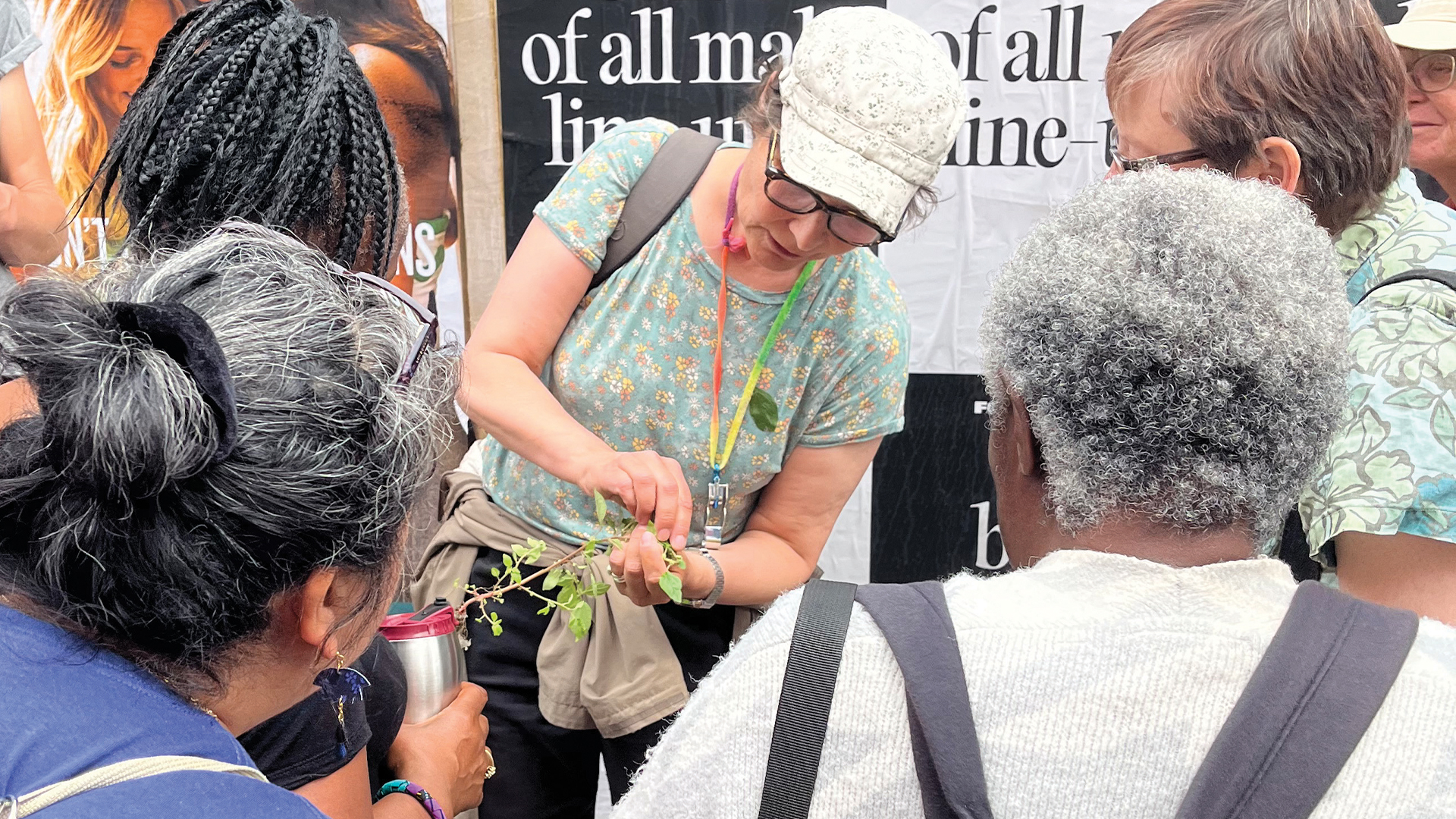
Look down and you’ll find them growing in pavement cracks, on walls and around the base of street trees. Look up and they’re under bridges, on roofs and in gutters. In warmer months, city air can appear thick with floating seeds at times. The moment an uncolonised surface is created, some of those seeds will gain a roothold in even the smallest damp dip or crevice.
Read more:
To a seed, the crack between slabs of a newly laid pavement is the equivalent of the newly exposed stone after a rock fall or the cooled surface of lava after a volcano erupts. It’s a fresh opportunity with no competition – as yet.
Once the first tiny, dry-tolerant plant like my Forest Hill pearlwort starts growing in a pavement crack, organic matter begins to build up and a little extra moisture collects. Seeds from thirstier plants can then germinate and soon there’s a community of plants which can be as richly diverse as the human population.
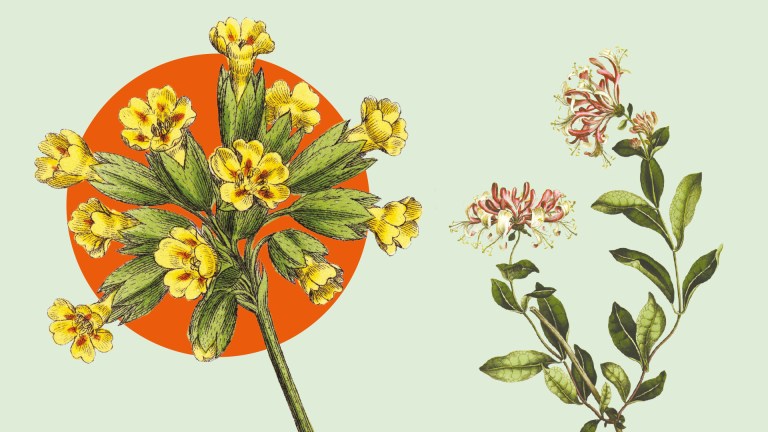
On a single city street in the British Isles you might find plants from the Mediterranean and the Middle East, and from China and South America growing side by side.
Advertising helps fund Big Issue’s mission to end poverty
And cities across the British Isles vary in their common pavement plants in fascinating ways, reflecting different social and industrial histories. Street plants also provide food and habitats for invertebrates and act as a network of ‘green corridors’, linking gardens and parks with cemeteries, waterways and urban nature reserves.
Despite the importance of wild plants for biodiversity, local authorities display different levels of tolerance for them. Glyphosate herbicide is still used to indiscriminately ‘clean’ pavements in some UK towns and cities. More progressive councils, like Lambeth in South London for example, have found innovative ways to engage residents with what they want their streets to look like with their Community Weeding Scheme.
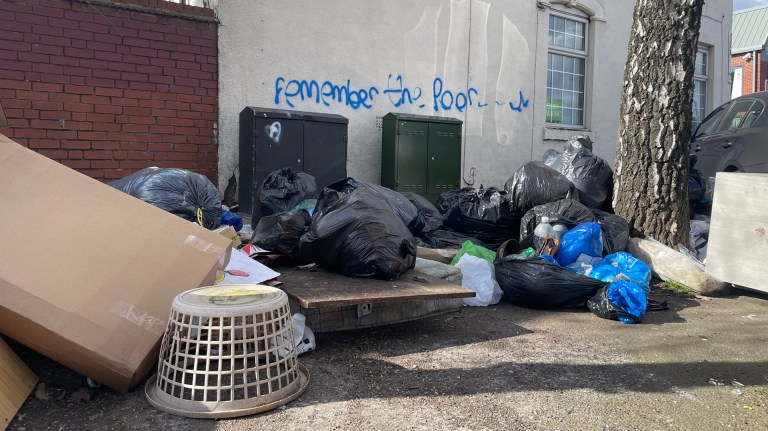
What do we want our cities of the future to look like? Every day we have a choice of whether to focus on empty shops, litter and dog mess or spot the wildflowers growing clinging onto pavement edges and under street trees. Once you’ve started noticing plants on our wild pavements, it will change the way you think about our cities for good.
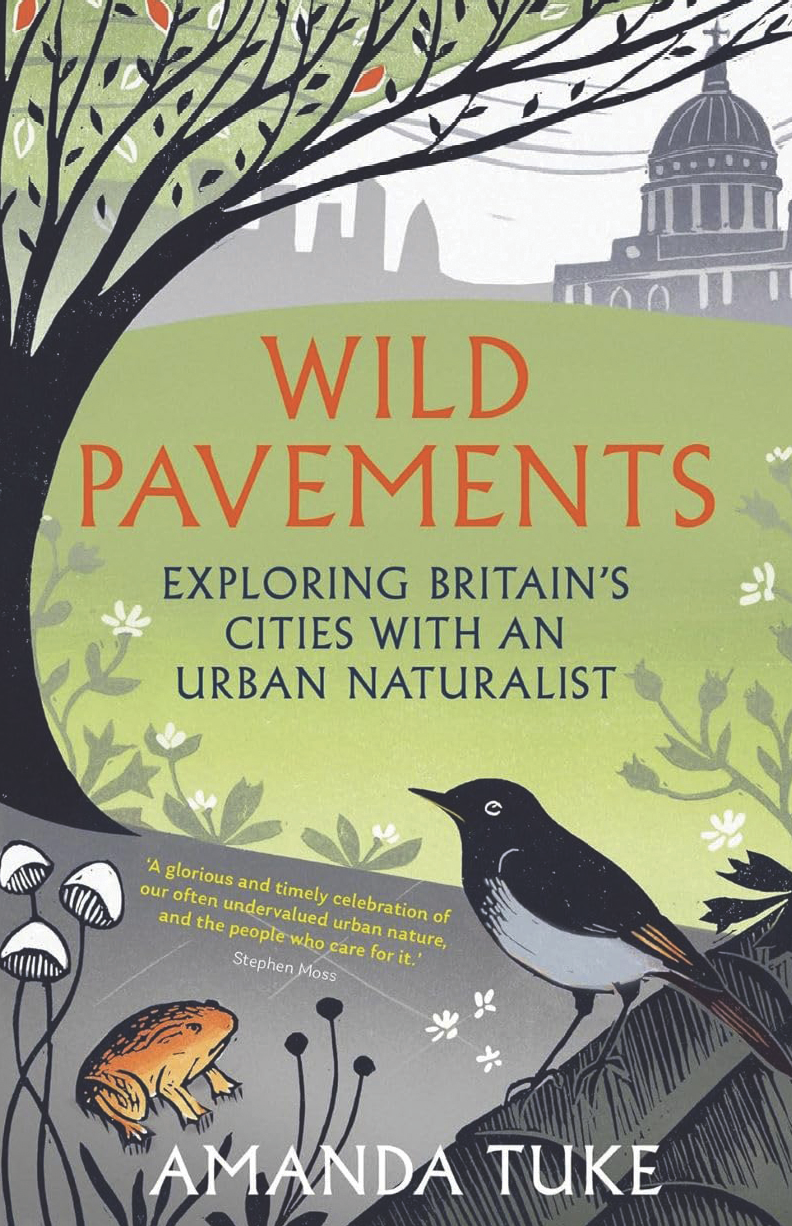
Wild Pavements: Exploring Britain’s Cities with an Urban Naturalist by Amanda Tuke is out now (Flint, £18.99)
You can buy it from the Big Issue shop on bookshop.org, which helps to support Big Issue and independent bookshops.
Do you have a story to tell or opinions to share about this? Get in touch and tell us more.
Advertising helps fund Big Issue’s mission to end poverty
Change a vendor’s life.
Buy from your local Big Issue vendor every week – and always take the magazine. It’s how vendors earn with dignity and move forward.
You can also support online:
Subscribe to the magazine or support our work with a monthly gift. Your support helps vendors earn, learn and thrive while strengthening our frontline services.
Thank you for standing with Big Issue vendors.