Fancy a dandelion coffee or a cowslip wine? This is the beauty of Britain's wildflowers
All-but forgotten in modern life, wildflowers have been an essential ingredient in Britain's history
by: Christine Iverson
25 Apr 2026
Image: Universal History Archive / Eileen Tweedy / Shutterstock
Share
Our busy lives mean that we often don’t notice the beauty that is right in front of us, or in the case of wildflowers, beneath our feet.
The variety of folklore, superstition and history attached to the humblest of flowers is astounding and reveals so much about how our ancestors used plants in their everyday lives whether for food, medicine or magic.
COWSLIP
Image: Universal History Archive / Shutterstock
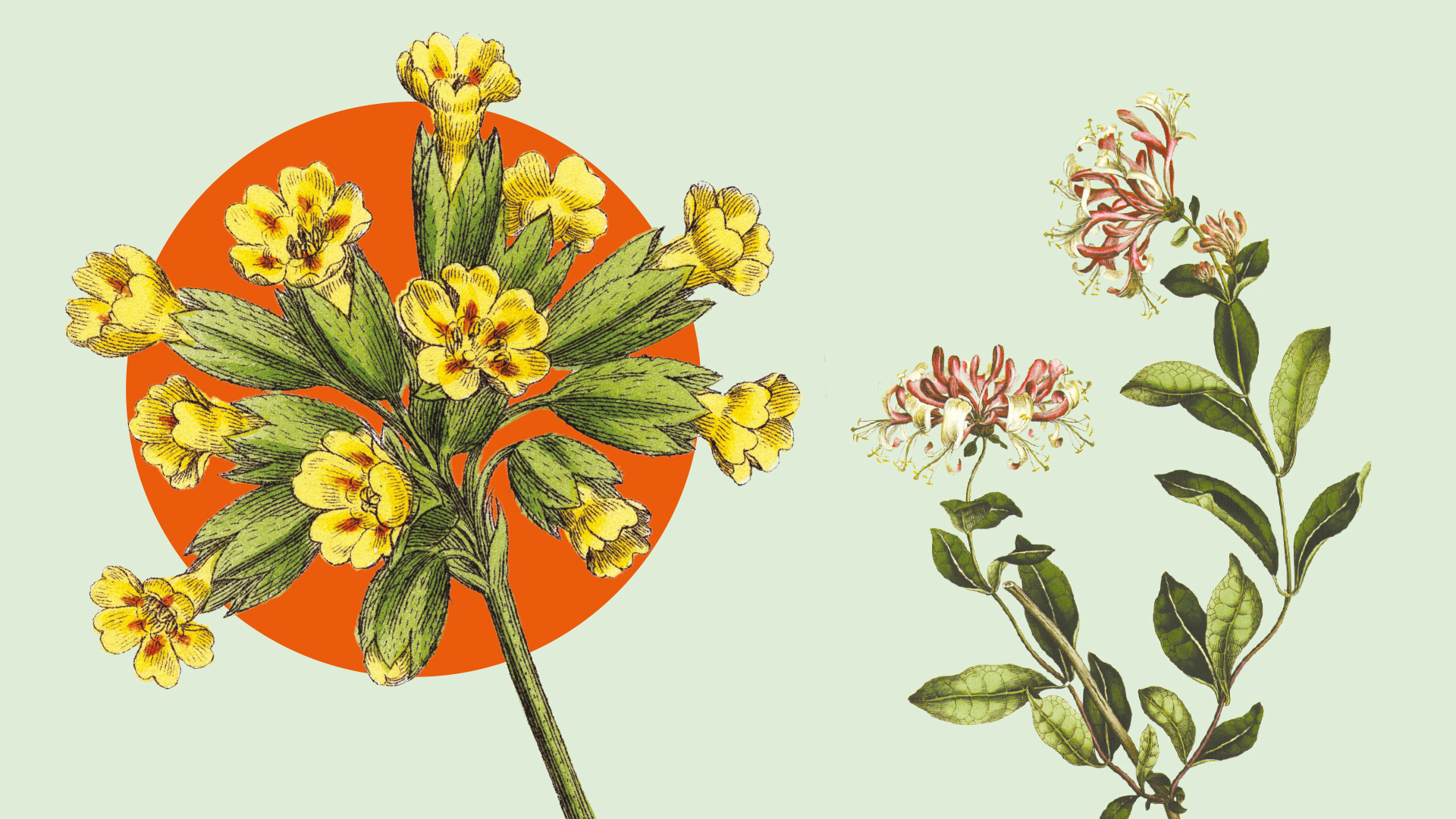
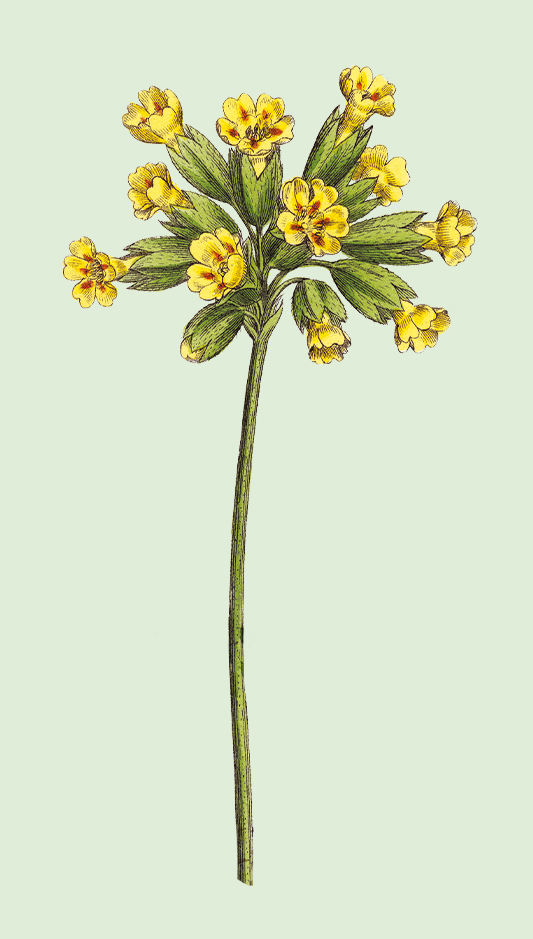
Cowslip wine was regularly brewed by our country ancestors. A ‘peck’ of flowers was needed for the recipe, equating to approximately nine dry litres, which is an awful lot of petals. I’m guessing that in the days before chemical weedkillers that cowslips were far easier to find than they are today.
The flowers were infused with sugar and boiling water along with the juice and rind of oranges and lemons, then yeast was added and the mixture allowed to stand for two to four days before being poured into a barrel and left for a couple of months. Sounds delicious.
Folklore advised young ladies to wash their faces in milk infused with cowslips as this would draw their beloved closer to them. To keep unwelcome visitors away cowslips were placed under the doormat and if you planted cowslips upside down on Good Friday the flowers would turn red.
Advertising helps fund Big Issue’s mission to end poverty
Advertising helps fund Big Issue’s mission to end poverty
As for medicinal uses, 17th century herbalist Nicholas Culpeper’s answer to ageing was to make an ointment from cowslip flowers as it “taketh away spots and wrinkles of the skin, sun burning and freckles, and adds beauty exceedingly”. Cowslip wine was also taken as a mild treatment for insomnia, headaches and forgetfulness, while eating the flowers was believed to support brain health.
DANDELION
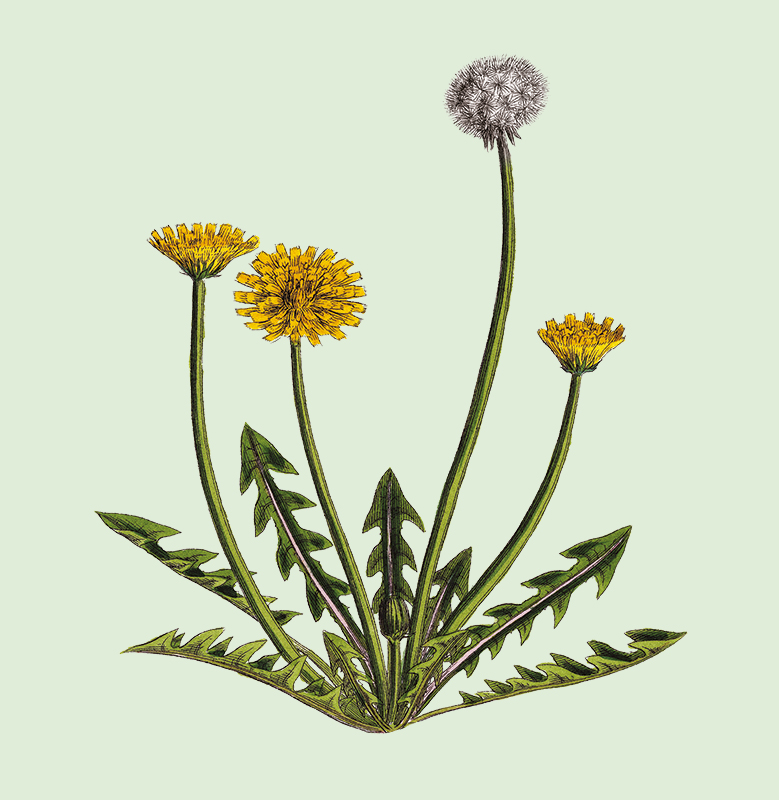
Dandelions are regarded as a nuisance nowadays by many keen gardeners, but not so long ago it was possible to make a decent living from digging up the roots for use in herbal medicine.
As recently as the 1930s, teams of ‘root diggers’ would benefit local farmers by ridding their fields of dandelions. These roots would be sent to London by train to be processed and sold on for their medicinal properties. Dandelion roots were also dried and ground coarsely to be used as a coffee substitute during World War II.
Folklore tells us that if you can blow all the seeds off a dandelion head in one go then you are loved with a passion; however, if some seeds remain, your partner has some doubts. If lots of seeds remain it might be best to look elsewhere for love. Blow the seeds in the direction of an absent lover to send a message to them.
An important and commonly used spring tonic, dandelion was regarded as a very powerful cure for many ailments including jaundice and kidney complaints. So effective were dandelion’s diuretic properties that children were warned not to touch or pick it as they would most certainly wet the bed that night.
Advertising helps fund Big Issue’s mission to end poverty
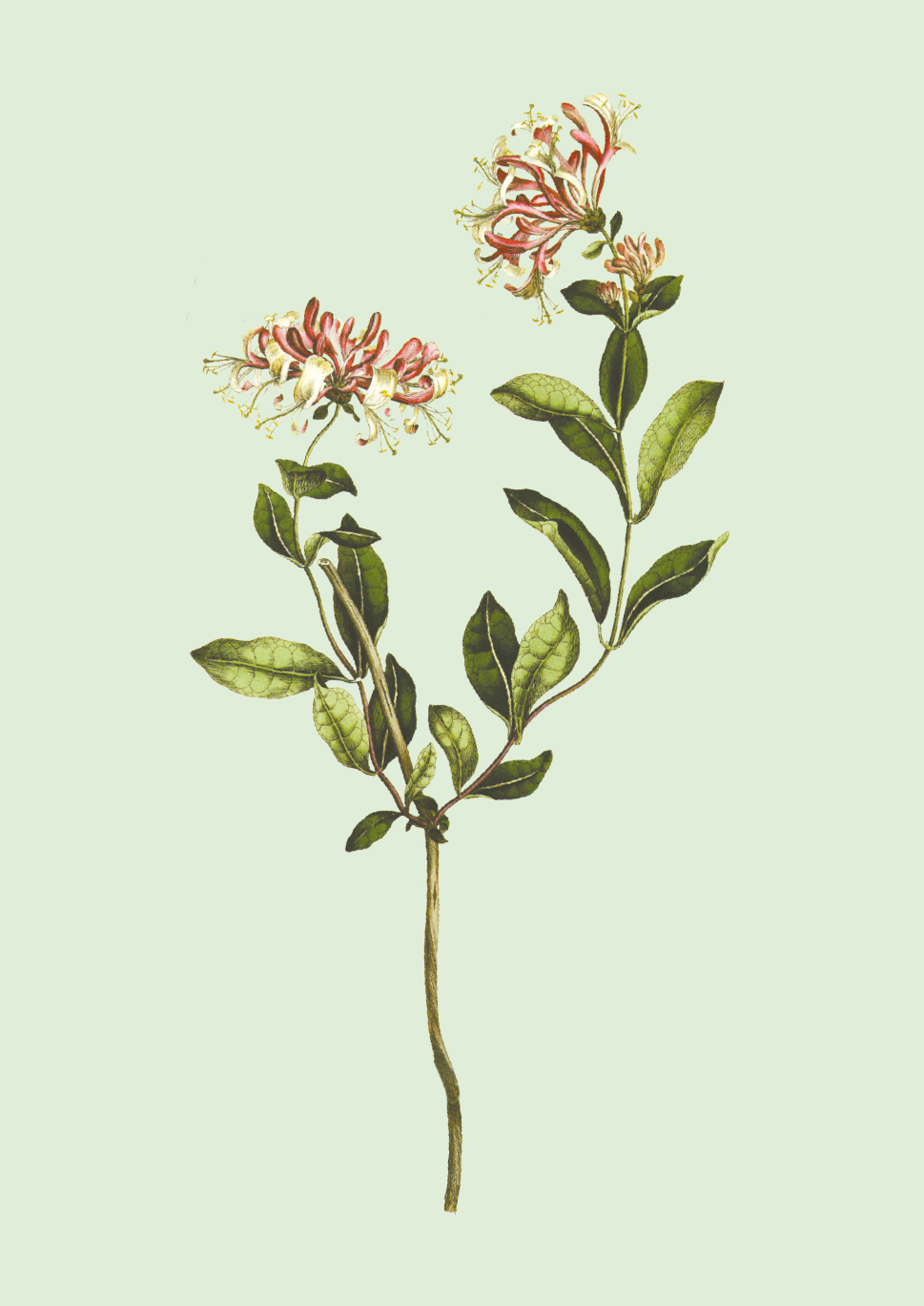
Countless children over the years have enjoyed sucking the sweet, honey-tasting nectar from the base of the trumpet-shaped flowers, hence the name ‘honeysuckle’.
When honeysuckle grows it winds itself tightly around the host tree, sometimes causing spiralling grooves. Hazel sticks that were misshapen in this way were known as ‘honeysuckle sticks’ and were used as walking sticks, with the added bonus that they were thought to attract luck – especially with the ladies.
Honeysuckle is the perfect plant to grow around doorways. It will bring you wealth and protect your family from illness and black magic. Gently crushing honeysuckle flowers on your forehead was believed to heighten your psychic powers, while entwining young shoots into a ring and placing them over a green candle would attract money into your home.
Dreaming of honeysuckle was a bad omen as it indicated that there would be arguments between partners; however, a gift of a posy of honeysuckle would ensure fidelity.
Advertising helps fund Big Issue’s mission to end poverty
Between the 16th and 19th centuries, those suffering with migraines, coughs and asthma were encouraged to sit over a bowl of the flowers infusing in hot water, with a cloth over their heads and to breathe in the vapour.
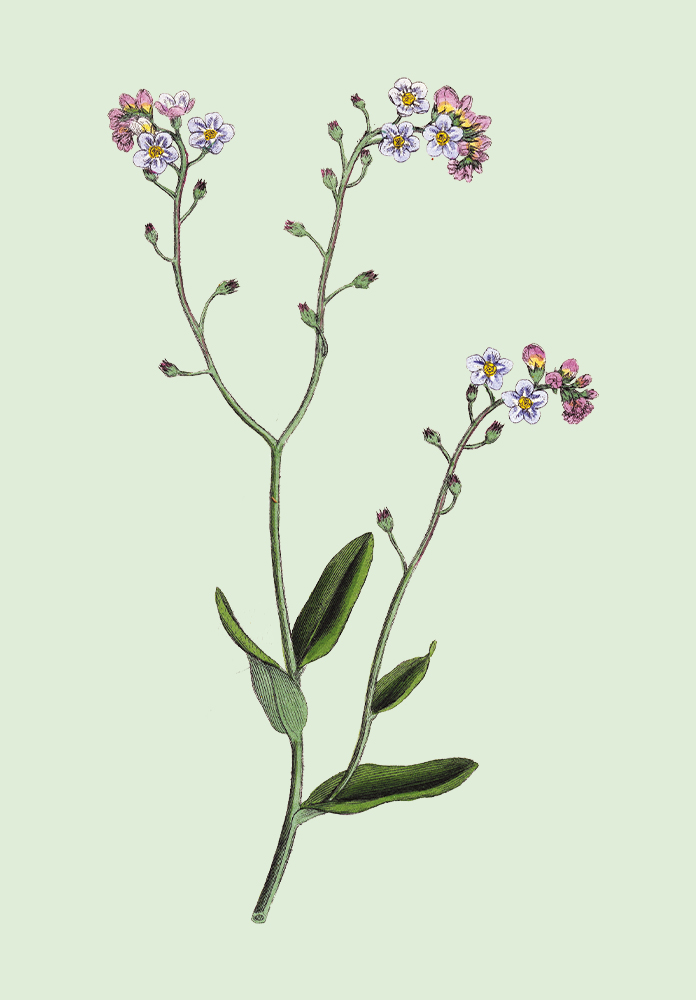
FORGET-ME-NOT
Image: Universal History Archive / Shutterstock
Throughout history, the forget-me-not has been laden with meaning. In the Victorian language of flowers, they signalled faithful and enduring love. During World War I they were used as a symbol to remember fallen soldiers. More recently, the Alzheimer’s Society adopted the forget-me-not as their emblem to represent memory loss.
In the West Country, the wearing of forget-me-nots was believed to offer protection against witches, especially during the month of May. In a rather peculiar claim, juice from the plant is said to make a steel blade so sharp that it could cut through stone.
Known in the 17th century as ‘scorpion grass’, the forget-me-not was believed to be a cure for scorpion stings and snake bites. Made into a concentrated liquid, it was also used to treat sore eyes.
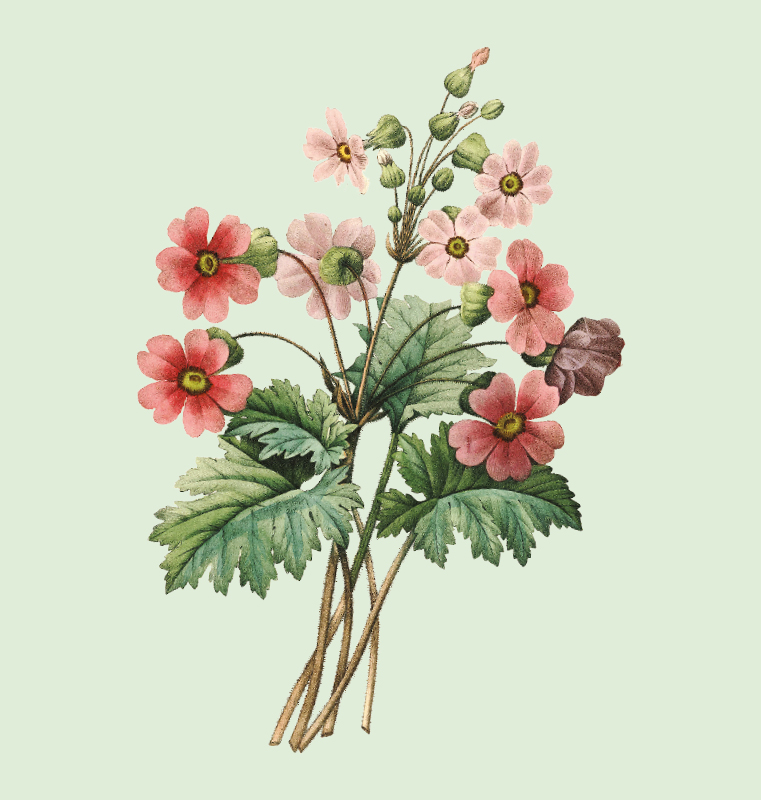
PRIMROSE
Advertising helps fund Big Issue’s mission to end poverty
Image: Sunny Celeste / imageBROKER / Shutterstock
Primroses were so popular in Victorian times that country people would gather them into posies and send them to London on the train to sell to city dwellers. Unfortunately, they often dug up the whole plant, which is probably why we don’t see so many primroses in the wild today.
Some folk tales credit primroses with the supernatural ability to enable people to see fairies, either by eating the petals or by placing a bunch on a fairy rock or fairy mound. In Ireland, the flowers were scattered by the cow byre to stop fairies from stealing the milk.
Bunches of primroses were hung in cowsheds during the Celtic festival of Beltane to protect the cattle and flowers placed on thresholds to prevent malignant forces and bad fairies from entering.
Healing salves for cuts and minor wounds were traditionally made from primrose flowers, while primrose tea helped to alleviate anxiety.
Take a moment out of your day to observe the fascinating world of wildflowers all around you, and the historical secrets that they hide in plain sight. You’ll be amazed.
Buy from your local Big Issue vendor every week – and always take the magazine. It’s how vendors earn with dignity and move forward.
You can also support online: Subscribe to the magazine or support our work with a monthly gift. Your support helps vendors earn, learn and thrive while strengthening our frontline services.
Thank you for standing with Big Issue vendors.
Advertising helps fund Big Issue’s mission to end poverty