Advertising helps fund Big Issue’s mission to end poverty
Opinion

'I’ve had to weep with those who lost everything': Inside Venezuela's devastating earthquakes

The scale of the catastrophe in Venezuela is unimaginable, but the humanitarian response immediately kicked into gear

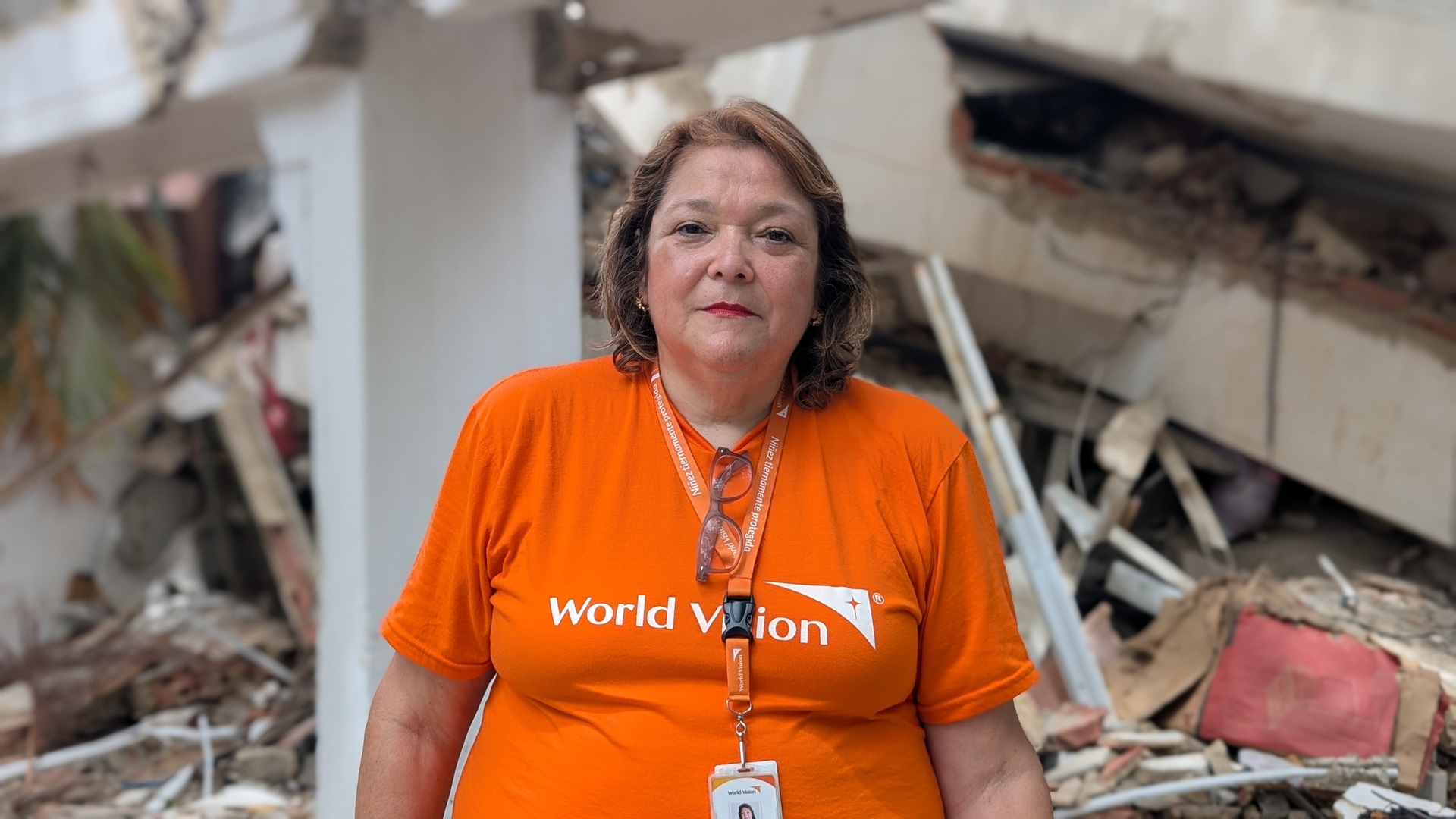
Venezeula humanitarian worker Claudia Gonzalez Pacheco

Claudia Gonzalez Pacheco. Image: World Vision Venezuela

At the time of the earthquake, I had just hung up the phone after speaking with my 81-year-old mother. She had told me she was alone because her carer had gone out to run some errands. Our staff communication chain clicked into action and I immediately felt anxious as I learned about the earthquake. Those were incredibly hard moments – thinking about my mother, my home, and my family in Caraballeda, La Guaira state. I had lived there for over 30 years and lost everything in the 1999 mudslide tragedy. 

I was following everything through international media. I have many friends and acquaintances who lost their lives. Notices about missing persons began flooding social media, affecting me deeply. I relived my own tragedy from 27 years ago. So many people, entire families were missing. Fortunately, nothing happened to the area where my family lives, but everything surrounding them was destroyed. I breathed a sigh of relief when I heard from my nephews and their children. 

But when the first deaths of people I loved dearly were confirmed, I wept, prayed and pleaded for mercy. My friend Marcos, his wife, their children, their daughter-in-law, their son-in-law, and their grandchildren all lost their lives in Macuto. Tony and his wife Ana María were not found in the collapsed Bahía del Mar building. Later, their children recovered their bodies and lived through the most unimaginable nightmare: the process of cremating their parents. 


We are all in shock. The scale of the catastrophe is unimaginable. Buildings were reduced to rubble in seconds; now 96,000 buildings are believed to be damaged or destroyed. More than 5,000 people have been killed and tens of thousands are missing, now presumed dead. 

Over three million people will need emergency food assistance in the coming weeks and months.
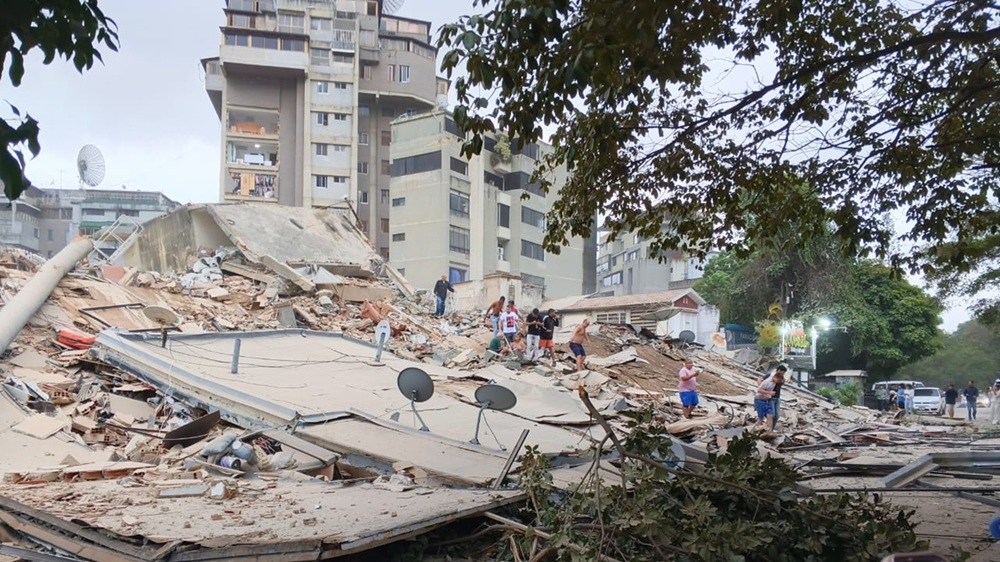
The twin earthquakes in Venezuela saw building crumble, trapping people inside
The twin earthquakes in Venezuela saw building crumble, trapping people inside. Image: World Vision Venezuela

I had to set aside my anxiety and grief so I could be effective in my role. We began to implement a humanitarian response across the states most affected by the earthquakes and prioritise children, adolescents and their families. One of my roles is to activate the network of churches we work with, but also to act as a spokesperson for international and national media, and inform the world about what happened and how to help.

Advertising helps fund Big Issue’s mission to end poverty

As you travel around the outskirts of Caracas you can see blocks of flats with the whole side removed revealing bedrooms, kitchens and living rooms intact – a shocking glimpse of normal life reduced to tragedy in seconds. And, in the nearby beachside town of La Guaira, the devastation is complete. Whole streets are wiped out, and the parks and squares that remain are full of tents with families crammed in. Churches and community spaces are housing people under canvas. Sadly we know this will continue for some time. 

Read more:

At the World Vision distribution centre families queue for food aid. Thanks to the donations that have already come in from the UK and other countries we are able to give them a month’s supply for a family of four each. We have already reached over 33,000 people with food, 3,000 households with water hygiene and sanitation support and 885 people with temporary shelter. But there is so much need and so much to do.

Also, a big focus of our work is to protect children, many who have lost their families, and to support people
with psychological first aid. This is something that will be needed long after the disaster. Thank god my building in Guarenas, Miranda state, is still standing, though some of my family – who came from Caraballeda – were left homeless and are now staying with me. 

I’ve had to weep with those who lost everything. It’s going to be a very long road to help people recover both practically and psychologically. But I’ve learned resilience from the past.

Claudia Gonzalez Pacheco works for World Vision, one of the Disaster Emergency Committee (DEC) member charities

Donate to the DEC’s Venezuela Earthquake Appeal

Do you have a story to tell or opinions to share about this? Get in touch and tell us more

Change a vendor’s life.

Buy from your local Big Issue vendor every week – and always take the magazine. It’s how vendors earn with dignity and move forward.

You can also support online:
Subscribe to the magazine or support our work with a monthly gift. Your support helps vendors earn, learn and thrive while strengthening our frontline services.

Thank you for standing with Big Issue vendors.

Advertising helps fund Big Issue’s mission to end poverty

Do you know how Big Issue 'really' works?

Watch this simple explanation.

Recommended for you

View all
Why Britain needs an anti-racism strategy right now
a placard reading: 'everybody vs racism'
Stephen Walcott

Why Britain needs an anti-racism strategy right now

As Britain's health gaps widen, can Burnham replicate his Greater Manchester success around the UK?
New prime minister Andy Burnham outside 10 Downing Street
Mark Heffernan

As Britain's health gaps widen, can Burnham replicate his Greater Manchester success around the UK?

Healthier lives were Glasgow's 2014 Commonwealth Games legacy. 2026's games must raise that bar
The Commonwealth Games
Steven Mackenzie

Healthier lives were Glasgow's 2014 Commonwealth Games legacy. 2026's games must raise that bar

In the occupied West Bank, a child is killed every week. When did that become acceptable?
UNICEF UK CEO Dr Philip Goodwin visited the community of Um El Kheir Village south of the WB with UNICEF State of Palestine, meeting children and hearing about the challenges they face
Dr Philip Goodwin

In the occupied West Bank, a child is killed every week. When did that become acceptable?