It’s finally happening. The first-ever comprehensive review of personal independence payment (PIP), the support that millions of disabled people receive if they have extra care needs or mobility needs (difficulty getting around) as a result of an impairment, begins in earnest.
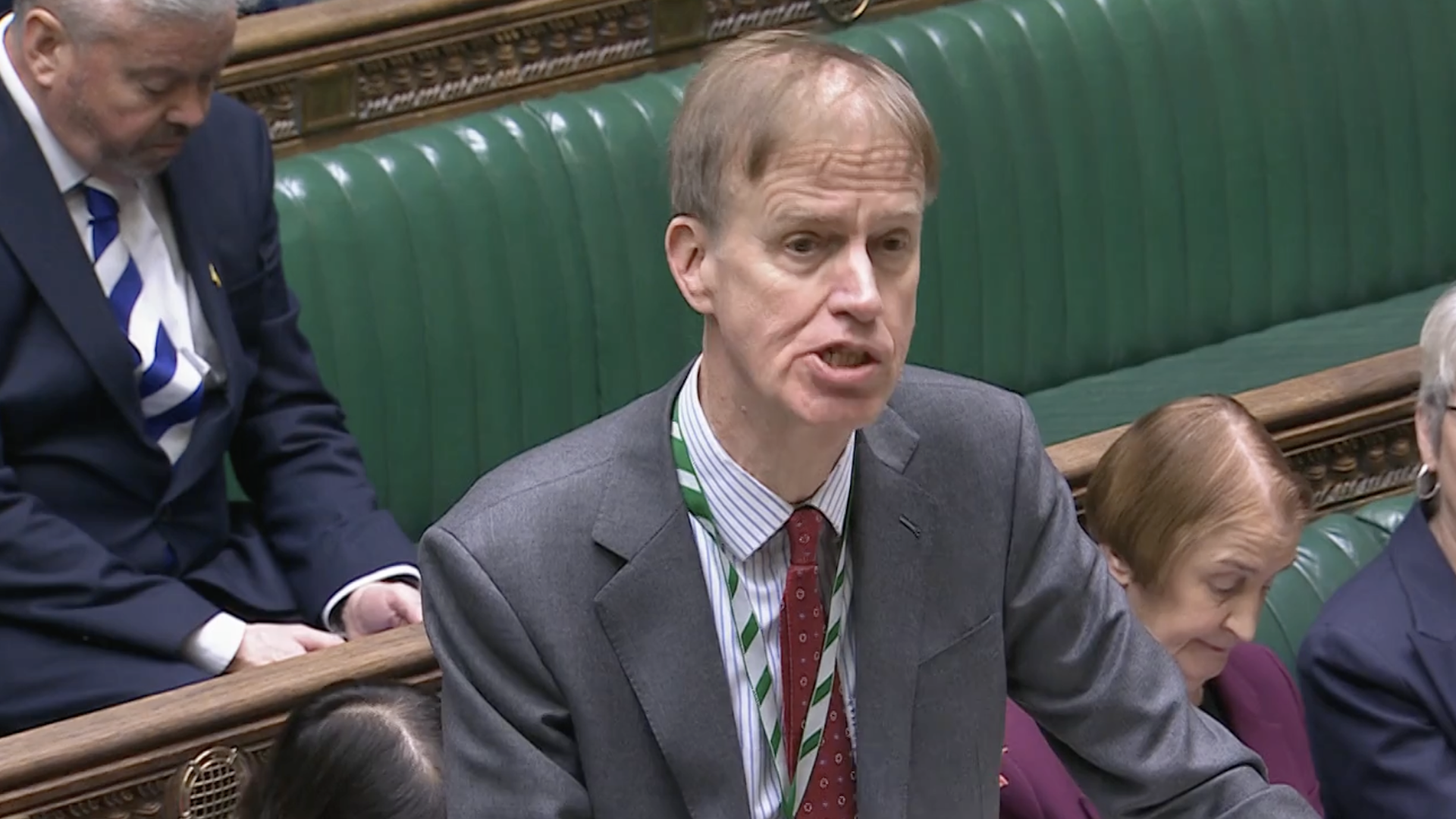
Just this week, the disability minister, Stephen Timms, along with his two review ‘co-chairs’, appointed 12 members to the steering group. These members will likely decide what evidence will be gathered, whose voices will be heard, and ultimately what will be recommended at the end of the ‘Timms-review’.
Over the last few years, PIP, as well as the entire disability benefits system, has become a political lightning rod. Various ‘reforms’ since 2010 mean disabled people have lost benefit payments of around £1,200 each year, while non-disabled people have lost around £300. That is despite the extra costs of disability rising to over £1,000 a month at the same time.
Read more:
- Disabled people appointed to co-produce Timms review of PIP: ‘This opportunity cannot be wasted’
- Farage puts pints over poverty with plan to cut price of beer by reinstating two-child benefit cap
- Disability benefit claimants at risk of poverty because of ‘poor service’ from DWP, MPs warn
Yet despite these brazen and reckless attempts to cut costs, more and more of us are looking for support from the social security system. The number of working-age people reporting a disability increased from 5.9 million in 2012 to 2013 to 8.9 million in 2022 to 2023, according to research by the Resolution Foundation think tank in 2023. And that isn’t because it is ‘easier’ to get disability benefits today. In fact, award rates for new PIP claims have been broadly steady at around 45% since 2015-16.
This review, which received over 300 applications to join, will be crucial in deciding the future of millions of disabled people. Of course, we can’t forget that the Timms Review was the ‘reward’ for the relentless work of disabled people’s organisations and activists against the initial proposals of £5 billion in cuts to benefits. Public statements by government ministers since the summer haven’t always reassured us that cuts aren’t still part of the plan, with all the negative consequences that would have.