If Peppa Pig showed deafness when I was growing up, my family's story would be very different
As Peppa Pig's little brother George is revealed to be deaf, National Deaf Children's Society CEO George Crockford writes about the importance of TV representation
by: George Crockford
5 Feb 2026
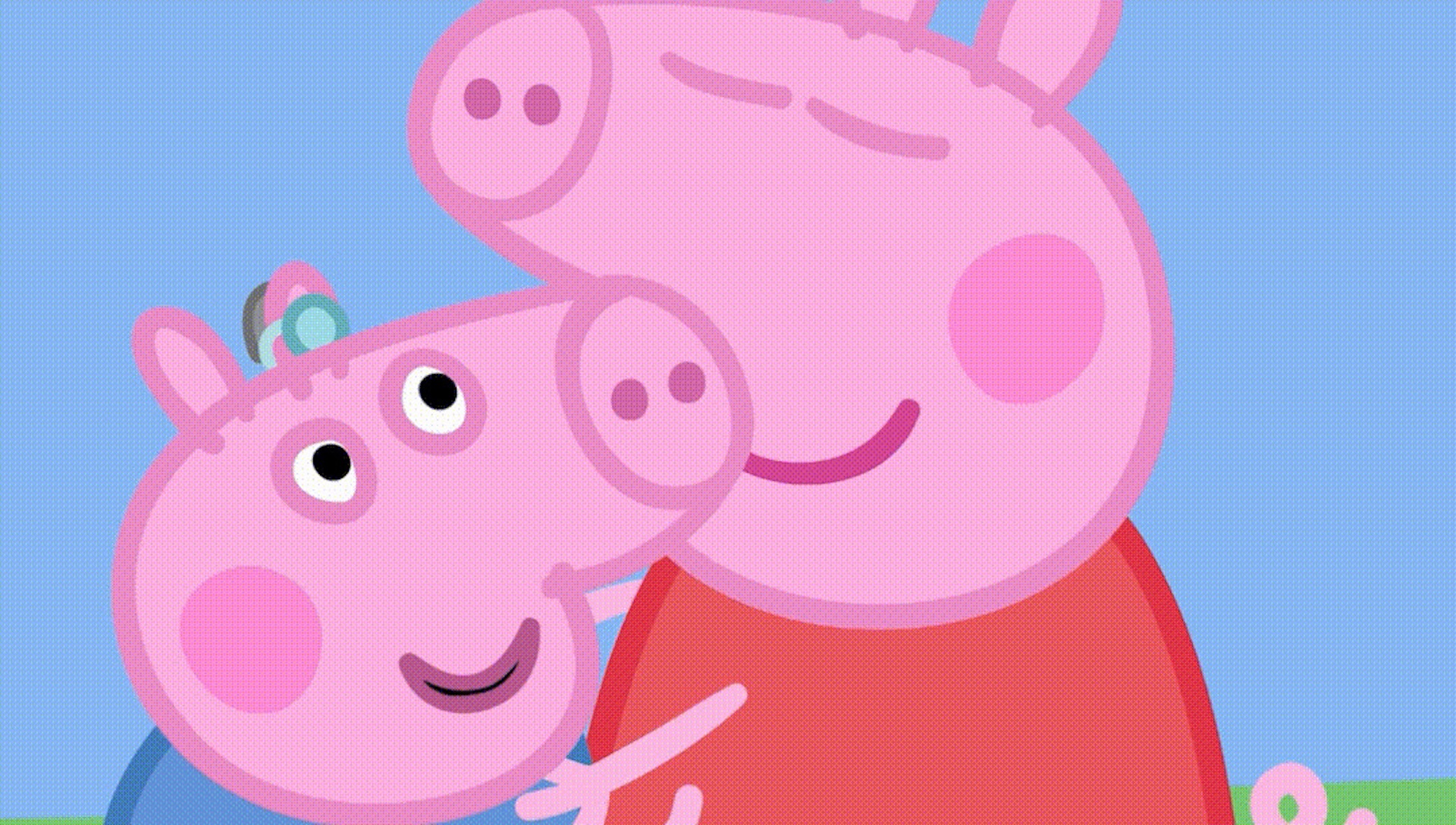
Peppa and little brother George wearing a hearing aid. Image: Peppa Pig/ NDCS
Share
When I was a child, I never saw deafness reflected on television in a way that felt real or ordinary. That absence mattered more than I realised at the time.
I was raised by two deaf parents, and deafness shaped our family life in ways both profound and practical. My parents navigated a world that rarely made space for them, often misunderstood or overlooked. Television, especially children’s TV, was no exception. Deaf people were largely invisible, and when they did appear, it was rarely as full, rounded characters living everyday lives.
Years later, I became a parent myself and one of my children was born profoundly deaf. And, once again, I was struck by the same gap: a lack of representation that could help a child understand who they are and for the world to understand them, too.
That’s why today’s news that Peppa Pig is introducing a new storyline in which Peppa’s younger brother George is revealed to be deaf feels genuinely significant – not just professionally, as chief executive of the National Deaf Children’s Society, but personally too.
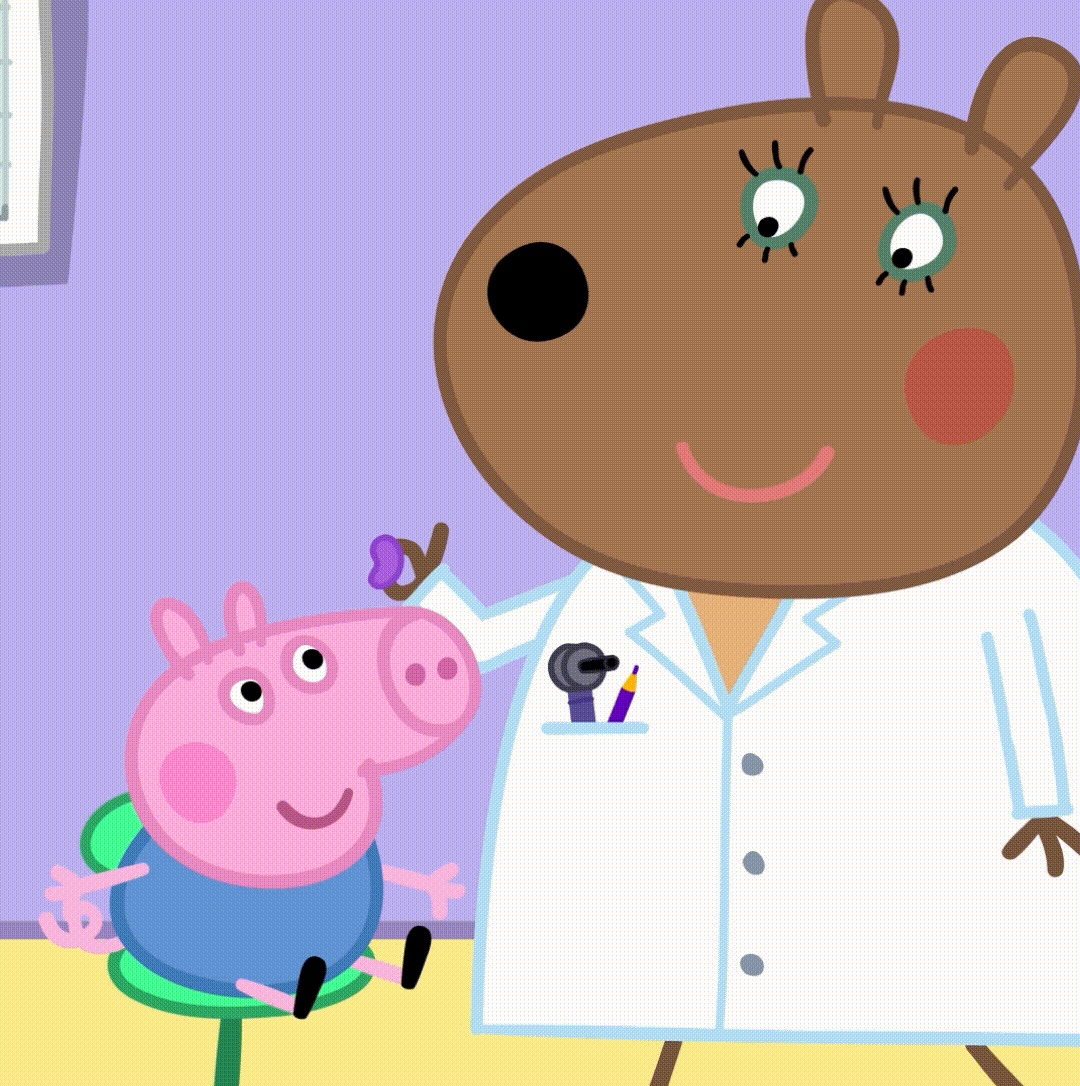
George getting his hearing tested.
From next month, on TV, children will be able to follow George as he has a hearing test, begins using a hearing aid and starts to make sense of the world as a deaf child. He is portrayed as having moderate, single-sided deafness, meaning he can hear some sounds but not others. With a hearing aid, he has greater access to sound, but he may still struggle in noisy environments or group conversations. Crucially, the storyline makes clear that hearing technology can help, but it doesn’t fully restore typical hearing. Understanding, patience and minor adjustments can make a big difference.
Advertising helps fund Big Issue’s mission to end poverty
Advertising helps fund Big Issue’s mission to end poverty
That nuance is essential because it reflects the lived reality of many families. There are more than 54,000 deaf children in the UK, and almost a quarter are deaf in one ear, just like George Pig. Hearing loss can develop at any age, and even mild or moderate hearing loss can affect a child’s speech, language, learning and behaviour if the right support isn’t in place.
Yet for most families, deafness comes without warning. They don’t have prior experience, and they don’t always know where to turn. Children’s television can play a decisive role here. It’s often where children first learn about difference and where parents find language to explain it. New research shows just how much representation matters: 98% of parents of children with hearing loss believe seeing deaf characters on children’s TV has a positive impact. More than half say it helps children develop a stronger sense of self, and nearly half say it helps them feel less isolated.
This storyline didn’t just happen by accident. We at The National Deaf Children’s Society worked closely with the Peppa Pig production team at Hasbro from the earliest stages, advising on different types of hearing loss and appropriate support, and continue to provide expert guidance as George’s story develops across TV and online episodes. Deaf people and lived experience are reflected in this storyline because authenticity isn’t a nice-to-have, it’s essential.
What strikes me most is how ordinary George’s story is. He isn’t defined solely by deafness. He’s still curious, playful, sometimes frustrated, sometimes joyful. Deafness is part of his life, not the whole of it. That may sound like a small thing, but it’s precisely the kind of representation that was missing when my parents were young, and when my own son was little.
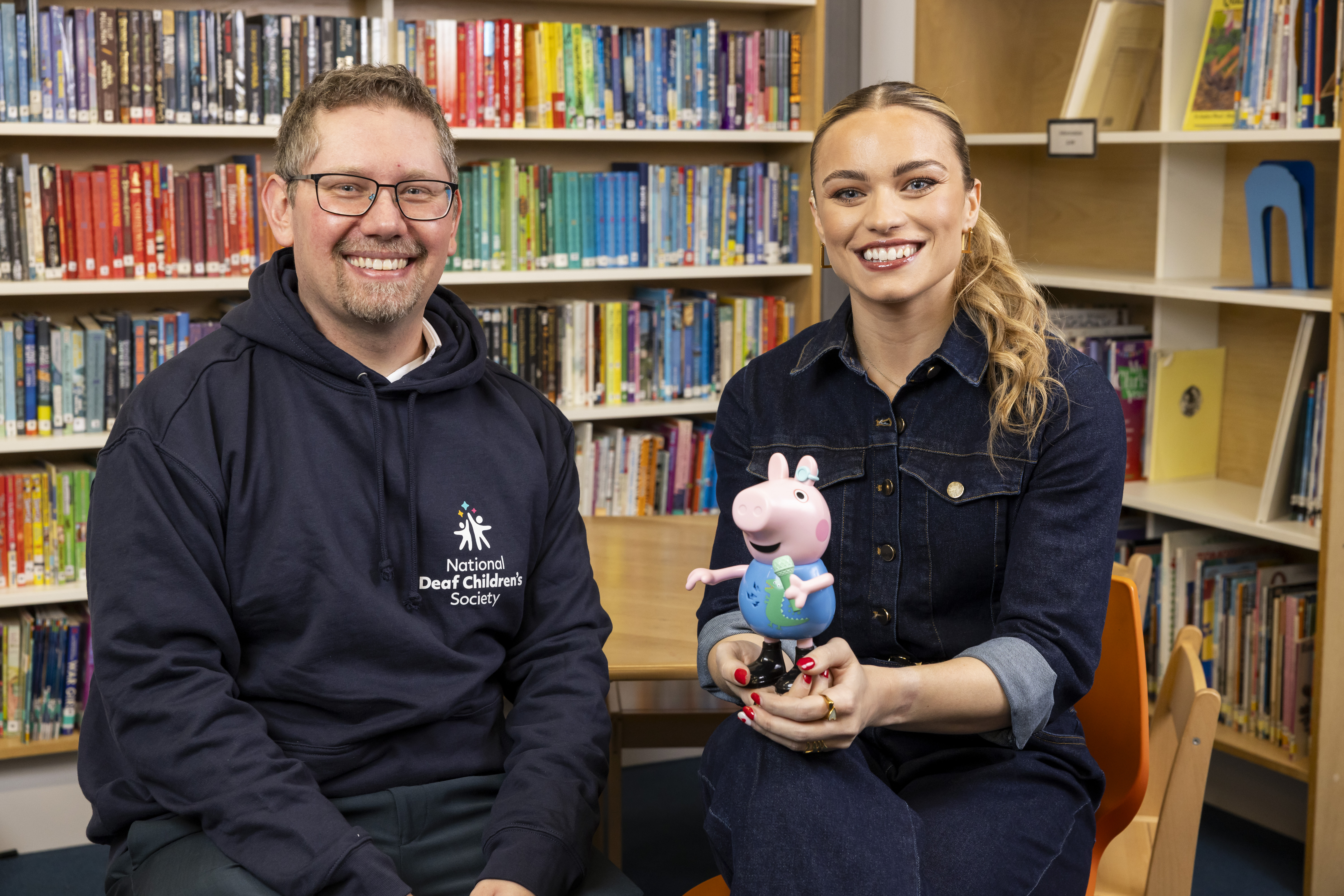
George Crockford and Jodie Ounsley, who voices the audiologist. Image: NDCS
If something like this had existed decades ago, my parents might have felt less alone in a hearing world that often failed to meet them halfway. If it had existed when my son was younger, he might have grown up seeing deafness as something understood and accepted, rather than something to constantly explain.
This is why representation in children’s media matters so deeply. It doesn’t just reflect society; it helps shape it. It tells children they belong, and it guides everyone on how to treat them, fostering pride and responsibility.
Advertising helps fund Big Issue’s mission to end poverty
For any parents who think their child may have a form of hearing loss, I hope this storyline encourages them to trust their instincts. There are some common signs which could indicate this – from toddlers talking too loudly or softly, or having unclear or delayed speech; through to school-aged children who easily get tired, frustrated or withdrawn, or even watch closely what others are doing before doing it themselves.
If any of these resonate, seek support from your GP as soon as possible. With the right help in place, deaf children can achieve just as much as their hearing peers. I also hope it prompts broadcasters and creators to ask who is still missing from our screens.
For thousands of deaf children watching Peppa Pig, this may be the first time they feel truly seen. I know from my own life, across generations, how much that can matter.
George Crockfordis CEO at the National Deaf Children’s Society.
The National Deaf Children’s Society supports deaf children with any level of hearing loss, offering expert information, practical guidance and one-to-one support for families, as well as local support in communities across the UK.
For more information and to explore resources for deaf children and families, visit the NDCS website.
Advertising helps fund Big Issue’s mission to end poverty
Buy from your local Big Issue vendor every week – and always take the magazine. It’s how vendors earn with dignity and how we fund our work to end poverty.