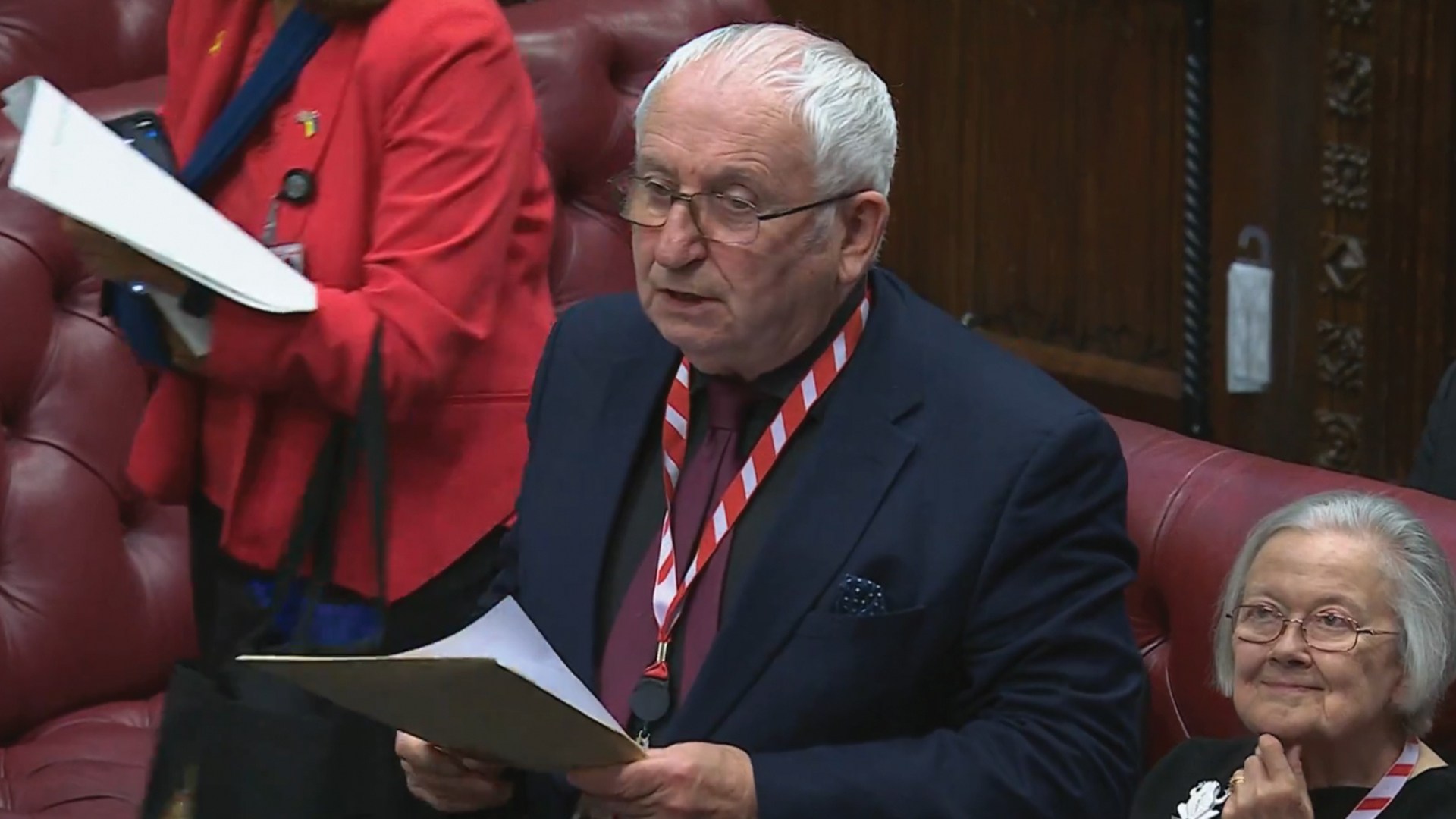
This week my private members’ bill will be introduced into the Lords. It calls for a commissioner for poverty prevention. It outlines the need for a commissioner to be put in charge of preventing poverty and not carrying on the ridiculous situation in government of about eight departments having their fingers in the poverty pie.
I have been boring the rear off of my fellow members of the House of Lords, politicians of all persuasions, written endlessly in Big Issue and given countless talks about it up and down the country, and even in other countries. I’ve also given podcasts and media interviews about the need to bring prevention to bear in solving the problems that erode life for those caught in it.
John Healey, chancellor of the exchequer, in charge of governmental spending, dropped a neat bit of prevention thinking into his recent budget but it took the chairman of Big Issue, Nigel Kershaw, to alert me to the bigness of this prevention inclusion. I had looked at Healey surrendering to the argument that unless we learn to turn the tap off we are going to go bust, and I could not quite get the change of plan. It took my long-term colleague Nigel to alert me to the potential of this change.
Having been the pain in the rear over decades going on about prevention, and its sister cure, and not just emergency, emergency, emergency, I felt a sense of joy. But also a sense of irritation. Because it is very unlikely that Big Issue will get much of a look in. Some think tank will claim it, or some other posh organisation loaded down with Oxbridgians. Yes, I must remain calm and not classist, as prevention is seen as their invention.
So it may come to pass that prevention will enter the thinking of government at last, although others will be covered in garlands for this new arrival. I should be happy of course that the ‘inheritance of poverty’, which I have stressed for so long as the biggest predictor of living in poverty, is at last to be addressed.
But will it be? Or will it be just the window dressing that the civil service and governments encourage and not be the big change that Nigel alerted me to. Could this just be more of the same but with a different edifice? There are distinct chances that it could well be.