Looking back at the passing of this bill, we are still worried about how it will push disabled people on the health element of universal credit further into poverty, removing £3,000 a year from their pockets. We know disabled people on universal credit already struggle to make ends meet, with one in three people who use a food bank being disabled.
However, we do need to reflect on what our movement achieved. Make no mistake: the floundering from the government, even making concessions during their own debates, was a direct result of the steadfast work of disabled campaigners and our allies, who have made it clear that we won’t stand for this. Despite their attempts to silence us, through our collective campaigning, we made them drop billions of pounds worth of cuts, and we will continue to resist continued attempts at public sector cuts.
This government climbdown led to Pat McFadden replacing Kendall as work and pensions secretary. And he has seemingly been given the task of making cuts to the benefits system despite the visible failure of the summer and the clear power of the disabled people’s movement.
We’d all hoped that Keir Starmer’s government would make a decisive break from decades of failure and austerity. Sadly, that now seems to have been wishful thinking. From attacking support schemes like Motability in this year’s budget to continuing public promises of ‘crackdowns’ and bringing in draconian bank-surveillance laws, it is clear that in 2026 the government will yet again try to make disabled people who receive social security support public enemy number one.
Don’t forget that they still have plans to potentially limit universal credit support to under-22s and have been working on proposals to restrict contributory benefits. There are many battles still to fight. So, where do we go from here when the government spends its time attacking our community and our rights?
Well, there is still hope going into the new year. Because – like it or not and trust politicians or not – momentum is on our side. Our movement is organised like never before, with campaigners, activists, and even policy wonks in our community, all riding a wave of excitement about local activism that we haven’t seen for years.
We know the public is on our side, too. Over the summer, our research with More in Common found that 60% of the public wanted the government to explore other cost-saving measures rather than reducing disability benefits.
Our actions over the summer have also opened up cracks in the government’s armour. They have been forced into a corner on actions like the ‘co-produced’ Timms review into the PIP assessment, which gives us a chance to make decisive interventions into this problematic and dispiriting system. People are desperate for something better, but the debate still frames social security as a burden. This ignores its wider benefits, and conversely, the subsidies enjoyed by the wealthiest through tax breaks and loopholes.
What we need to do in 2026 is go on the front foot, put forward a clear counter-narrative: that we all want a system that guarantees everyone enough to live on, not one built on punishment. Growing dissatisfaction with the status quo creates an opportunity to argue that decent social security is central to improving life for all, and we shouldn’t miss it.
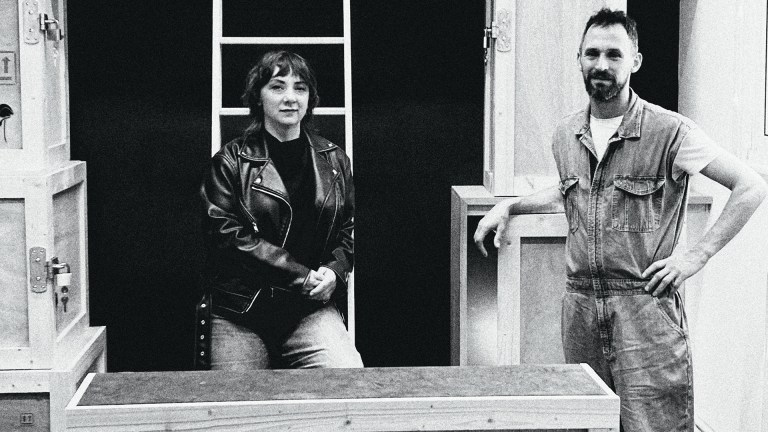
Mikey Erhardt is a campaigner for Disability Rights UK.
Do you have a story to tell or opinions to share about this? Get in touch and tell us more.
Reader-funded since 1991 – Big Issue brings you trustworthy journalism that drives real change.
Every day, our journalists dig deeper, speaking up for those society overlooks.
Could you help us keep doing this vital work? Support our journalism from £5 a month.