As 2025 draws to a close, life in Gaza remains dangerous, miserable and uncertain, despite the ceasefire, while in the West Bank, the situation is deteriorating by the day. Riham Jafari, advocacy and communications coordinator at ActionAid Palestine argues that if 2026 is to mark a turning point, governments and world leaders must stop their inaction and break the silence to dismantle the underlying power structure that oppresses Palestinian.
After two years of being relentlessly bombed, starved and displaced by the Israeli army, the ceasefire deal that came into effect on October 10 should have brought respite for the exhausted and traumatised people of Gaza. But, more than two months on, little has actually changed and Gaza’s 2.2 million residents remain trapped in a painful limbo – not quite in war, but not in peace and safety either. Instead of the full ceasefire that was hoped for, Israeli military attacks continue, and humanitarian supplies continue to be used as a bargaining chip.
This grim reality exposes the stark truth: that while the system of control imposed on Palestinians by the Israeli authorities remains in place, a ceasefire will only ever manage the violence, not truly end it. Until that system is dismantled, a ceasefire alone cannot bring safety, dignity or recovery.
Read more:
- These raw, heartfelt voice notes are straight from Gaza’s frontline: ‘Even the silence is frightening’
- ‘It’s not just great beer. It’s an image of Palestine’: Meet the Middle East’s first female brewmaster
- Teen scholar trapped in Gaza after being blocked by Home Office from joining her mum in UK
The killing in Gaza may have slowed but it has not stopped. At least 360 people have been killed by the Israeli military since the beginning of the ceasefire, including children. These deaths are not simply in flagrant breach of the agreement: they reveal the limit of a ceasefire that leaves the underlying power structure intact and Palestinian lives expendable.
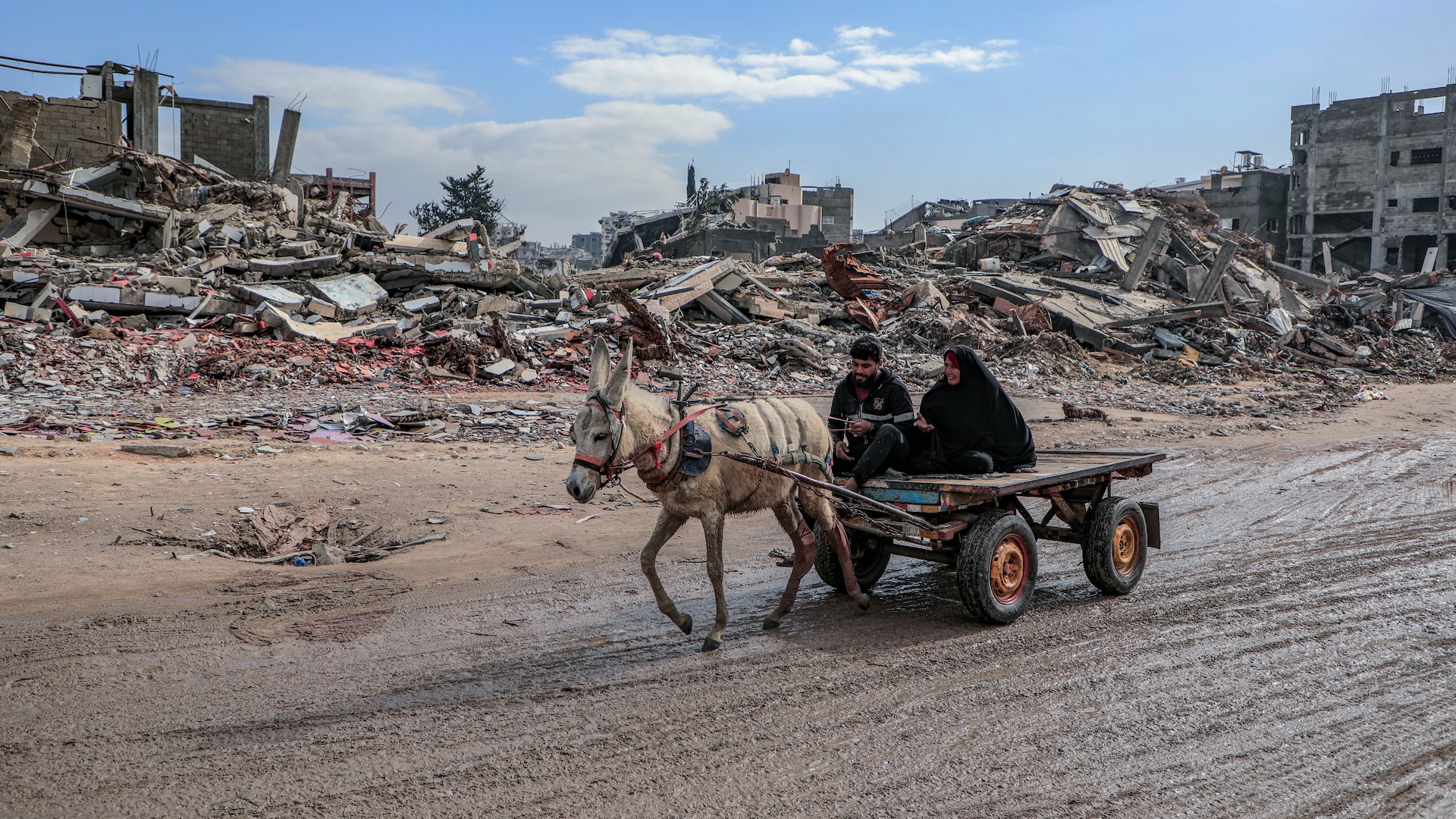
Hundreds of thousands of people are still displaced, and those whose homes are in the 58% of Gaza which is under Israeli military control and off-limits to Palestinians, have no idea when they will be able to return. With around eight out of ten buildings in Gaza destroyed, people remain living in tents and makeshift shelters, exposed to the bitter winter cold and rain. At least 16 people died during Storm Byron in mid-December, including three children. Entire families are housed in tents pitched precariously among piles of rubble, at high risk from unexploded bombs.