If this is to be an era of national upgrade, resilience must be the foundation on which it is built.
Previous generations built the infrastructure that transformed public health and economic prosperity. Our challenge is different but no less important. We need homes that stay cool in summer, greener streets that reduce dangerous heat, hospitals prepared for rising temperatures and transport networks that continue to function in extreme weather.
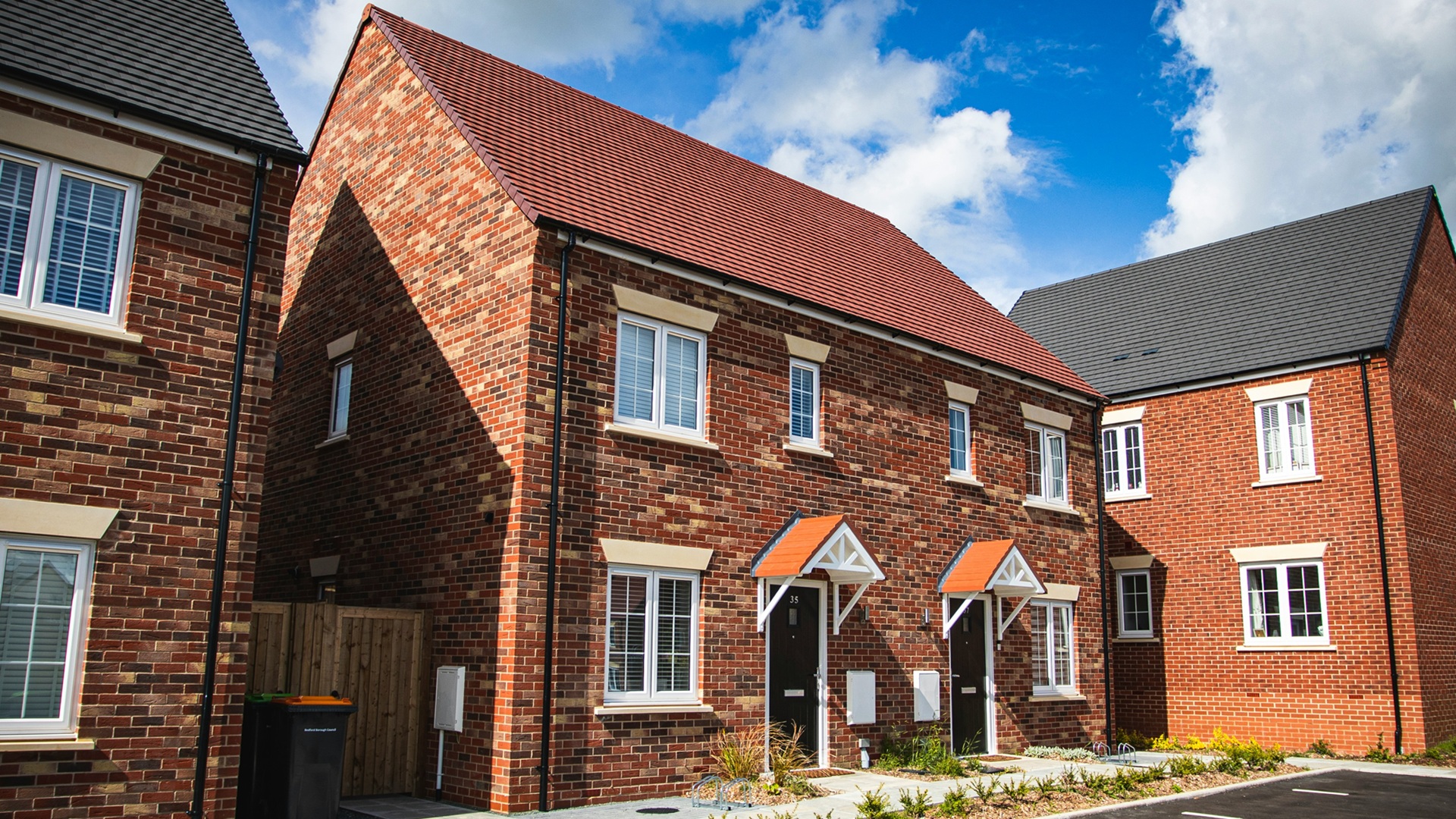
Housing is where this challenge becomes most urgent. The homes we build now will still be standing in the decades when climate risks intensify.
Andy Burnham’s ambition for a major expansion of council housebuilding offers an important opportunity. A programme of this scale should not simply address the shortage of homes; it should set a new standard for how Britain builds.
If we are going to build the homes of the future, they must be designed for the climate people will actually live through. New council homes should be resilient by design: able to stay cool during heatwaves, manage flood risk and support healthier communities. Climate resilience should become as fundamental to good housing as energy efficiency.
This is not an argument against growth. It is an argument for good growth.
Advertising helps fund Big Issue’s mission to end poverty
A national housebuilding programme that puts resilience at its heart could become one of the defining achievements of the next generation. It would show that tackling the housing challenge and preparing for climate change are not competing priorities; they are the same mission.
Read more:
Burnham has argued that the strength of mayors lies in their ability to bring together housing, transport, infrastructure and public services around the realities of a changing climate. He is right. Climate shocks do not arrive in departmental silos, and our response cannot either.
Government must provide the long-term framework, investment and planning system, but resilient places are built locally. Councils, mayors and communities understand their neighbourhoods and are best placed to shape places that are healthier, greener and better prepared for the future.
London’s Heat Ready work shows what this can look like in practice: bringing together local government, health services, planners and infrastructure providers to prepare communities before extreme heat becomes a crisis.
That approach should not remain limited to one city. Every region should have a clear plan for managing rising temperatures and protecting vulnerable communities.
Advertising helps fund Big Issue’s mission to end poverty
Britain already has the science, engineering expertise and local leadership needed to adapt. What has too often been missing is the political commitment to match the scale of the challenge.
The climate will continue to change. The question is whether our institutions change with it.
Tell the next Prime Minister to end the housing crisis
1 in 153 people in England is experiencing homelessness. Will you sign Big Issue’s letter to the next PM?
The homes, transport systems and public spaces we build over the next decade will determine whether people can continue to live safely and prosper as temperatures rise.
Future generations will judge us not by the risks we understood, but by whether we had the foresight to build a country ready for them.
Emma Howard Boyd is chair of the UK’s independent National Heat Risk Commission and a previous chair of the Environment Agency.
Do you have a story to tell or opinions to share about this? Get in touch and tell us more.
Advertising helps fund Big Issue’s mission to end poverty
Change a vendor’s life.
Buy from your local Big Issue vendor every week – and always take the magazine. It’s how vendors earn with dignity and move forward.
You can also support online:
Subscribe to the magazine or support our work with a monthly gift. Your support helps vendors earn, learn and thrive while strengthening our frontline services.
Thank you for standing with Big Issue vendors.