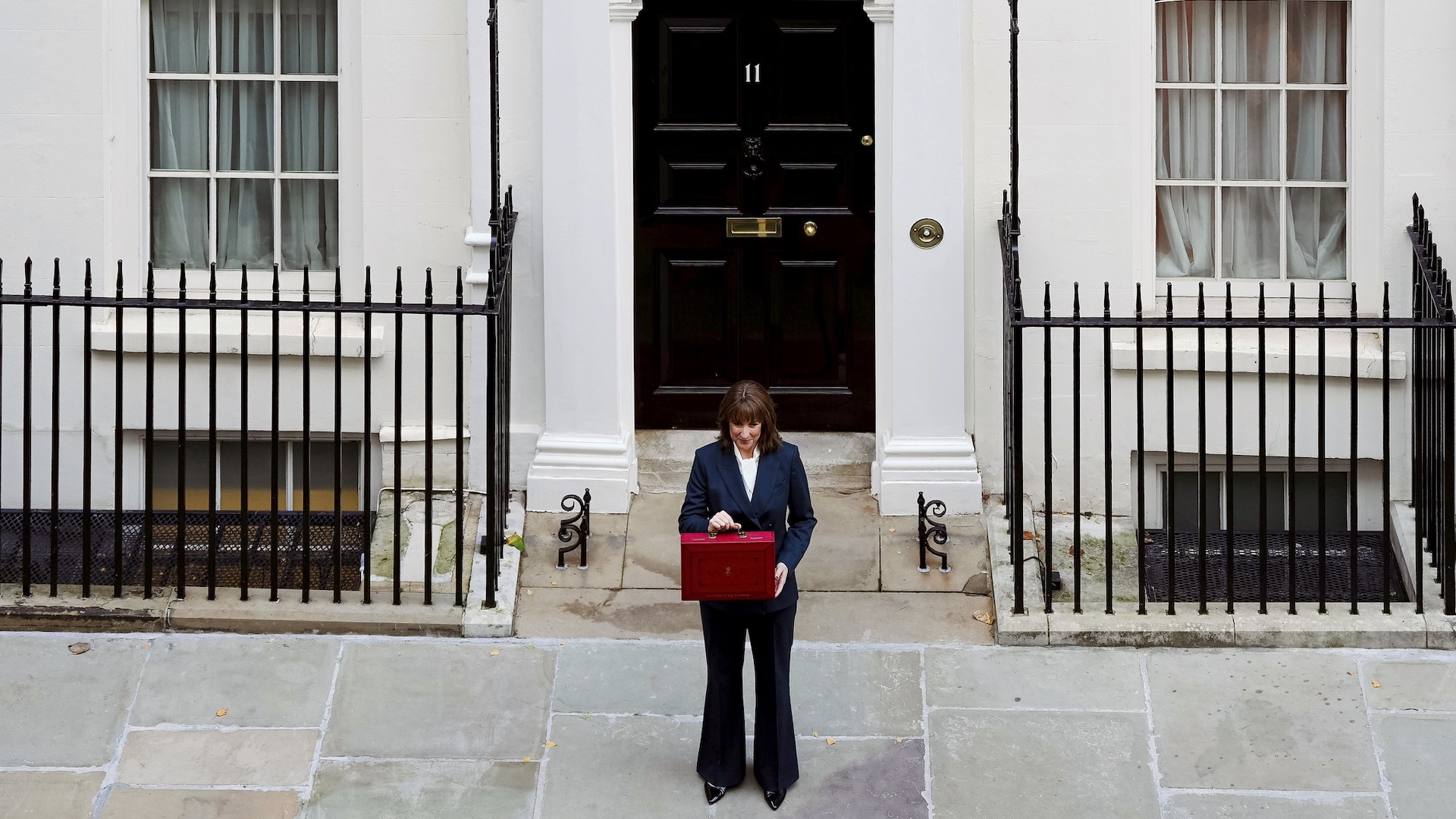
Keir Starmer and Rachel Reeves have at finally down, with the chancellor saying in her autumn budget: “I can announce today, fully-costed and fully-funded, the removal of the two-child limit in full from April.”
But what does the end to the two-child limit on benefits actually mean and who will be affected?
Dr Philip Goodwin, chief executive officer of UNICEF UK, called it a “necessary decision to tackle record levels of child poverty” and said “no child should be punished for the number of siblings they have”.
“This change means 1.6 million children will no longer be impacted by this cruel policy, and families will be better able to cover essential costs and meet their children’s needs,” Goodwin added.
Joseph Howes, chief executive of Buttle UK and chair of the End Child Poverty Coalition, said: “This change will help lift futures – giving more children the chance to dream bigger, learn without limits, and grow up knowing they are valued.”
We break down how an end to the two-child limit on benefits will change lives below.
Advertising helps fund Big Issue’s mission to end poverty
What was the two-child limit on benefits?
The two-child limit on benefits means that families cannot get any extra universal credit for their third child or any subsequent children born after April 2017.
It was introduced by the Conservative government eight years ago.
Who will benefit from the end to the two-child limit?
Families claiming universal credit with three or more children, at least one of whom is born after April 2017, will benefit from the end of the two-child limit on benefits.
More than 1.6 million children were impacted by the policy in the year up to April 2025, according to official statistics. That is around one in nine children in the UK who will benefit from the change in policy.
How many children will be lifted out of poverty?
Around 400,000 fewer children will be living in poverty this April compared to last, primarily due to the removal of the two-child limit in universal credit, according to the Joseph Rowntree Foundation.
The government estimates that 450,000 children will be lifted out of poverty by 2029-2030 as a direct result of the end to the two-child limit on benefits.
Advertising helps fund Big Issue’s mission to end poverty
How much will families get now that the two-child limit is scrapped?
Families affected by the two-child limit on benefits will gain around £3,500 a year for their third child and any subsequent children.
Some newspapers have reported that it means some families will get an extra £20,000 a year – but this will only apply to families with at least eight children.
It is also money that they would have had before the Conservative government cut benefits for larger families by implementing the policy in 2017.
How much will lifting the two-child limit on benefits cost?
Scrapping the two-child limit on benefits will come at a cost of around £3.5 billion a year by the end of the decade, according to the Resolution Foundation.
However, keeping children trapped in poverty also costs the government. Child poverty is set to cost the country around £40bn by 2027, according to estimates from the Women’s Budget Group.
What else is the government doing to tackle child poverty?
The government has expanded free school meals to all children in families claiming universal credit, and rolled out free breakfast clubs across the country.
Advertising helps fund Big Issue’s mission to end poverty
It invested £500 million in children’s development through the roll out of Best Start Family Hubs, where families can access a range of information and practical support through a child’s early years. It also introduced a £1bn crisis resilience fund, which the government claims will ensure “the poorest don’t go hungry in the holidays”.
The child poverty strategy set out further measures to bring children out of deprivation. This laid out plans to help families afford baby formula, for example. It also set out support to stop the “unlawful” placement of families in bed and breakfasts beyond the six-week limit.
And from next year, the government will make it easier for new parents on universal credit to return to work by extending eligibility for upfront childcare costs for those returning from parental leave. Families on universal credit will also be able to get support with childcare costs for all their children.
What is still left to do to tackle child poverty?
Charities and campaigners are calling for further action to tackle child poverty. Big Issue is urging the government to implement legal targets to tackle child poverty, to hold itself accountable.
Big Issue founder Lord John Bird said: “We must see a truly bold child poverty strategy with clever thinking on how to open up the pathways that offer our children escape from poverty, not just keep them comfortable in a pre-destined wait for lifelong hardship.
“The strategy should be backed by targets which provide much-needed benchmarks to track progress and drive action forward. The government must not dodge this vital layer of scrutiny.”
Advertising helps fund Big Issue’s mission to end poverty
Laura Trevelyan, campaigns manager for economic, cultural and social rights at Amnesty International UK, added: “This government must make poverty eradication it’s key priority, and recognise that a decent standard of living is a human right, not a gift to be given or taken away.”
Others are calling for an end to the benefit cap, which puts a limit on the amount that households can get in benefits and also particularly impacts larger families.
Alfie Stirling, director of insight and policy at the Joseph Rowntree Foundation, added: “Housing costs and bills are still too high, our safety nets are too frail, and the cost to workers of caring for their loved ones is too great. Pushing harder in all these areas is now critical.
“It will mean going further to close inequalities in our tax system that cost revenue and make it unfair. The government’s and families’ prospects depend on the chancellor’s ability to deliver the change that’s urgently needed.”
Do you have a story to tell or opinions to share about this? Get in touch and tell us more.
Change a vendor’s life this Christmas.
Advertising helps fund Big Issue’s mission to end poverty
Buy from your local Big Issue vendor every week – or support online with a vendor support kit or a subscription – and help people work their way out of poverty with dignity.