'I've done more for my community through boxing than I ever did in a police uniform'
Boxing clubs have long been doing the work once associated with the state. Can a new national study be the reason grassroots gyms stay alive?
by: Brenna Spain
7 Aug 2026
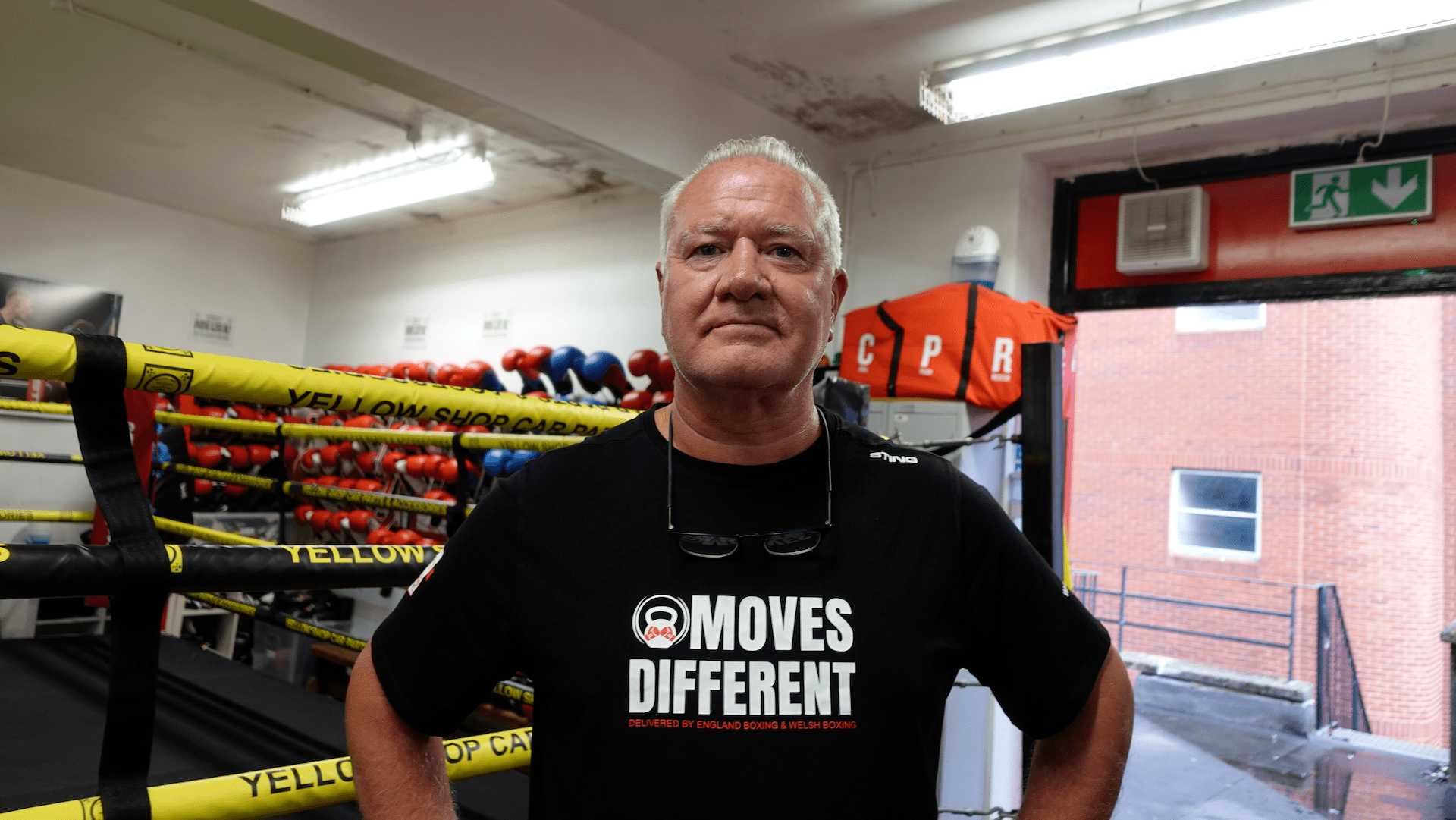
Dan O’Sullivan is chair of the Dagenham Amateur Boxing Club. Image: Supplied
Share
At four o’clock on a Tuesday afternoon, Dan O’Sullivan unlocks the doors of Dagenham Amateur Boxing Club and waits.
The first teenagers usually arrive within minutes, while the rest take a while to roll in. Some come straight from school, others are not in education, employment or training, many are dealing with mental health hurdles, but the next hour will be all skipping ropes and boxing before the club’s professional athletes trickle in for competition training.
Before joining the Metropolitan Police, this was not how O’Sullivan imagined retirement. After decades responding to crime and supporting youth offenders, he now spends two evenings a week trying to prevent it before the police get involved.
“I’ve done more for my local community through this boxing club than I ever did walking around in a police uniform,” he says.
Outside of these sessions, O’Sullivan serves as the chair of the club and has even worked as an Olympic boxing commentator.
Advertising helps fund Big Issue’s mission to end poverty
Advertising helps fund Big Issue’s mission to end poverty
He’s one of many coaches in the country delivering sessions for a long-awaited boxing study. Moves Different, a six-month pilot funded by the Youth Endowment Fund (YEF) and delivered by England Boxing, will follow 1,500 young people aged between 13 and 18 across 40 clubs in England and Wales.
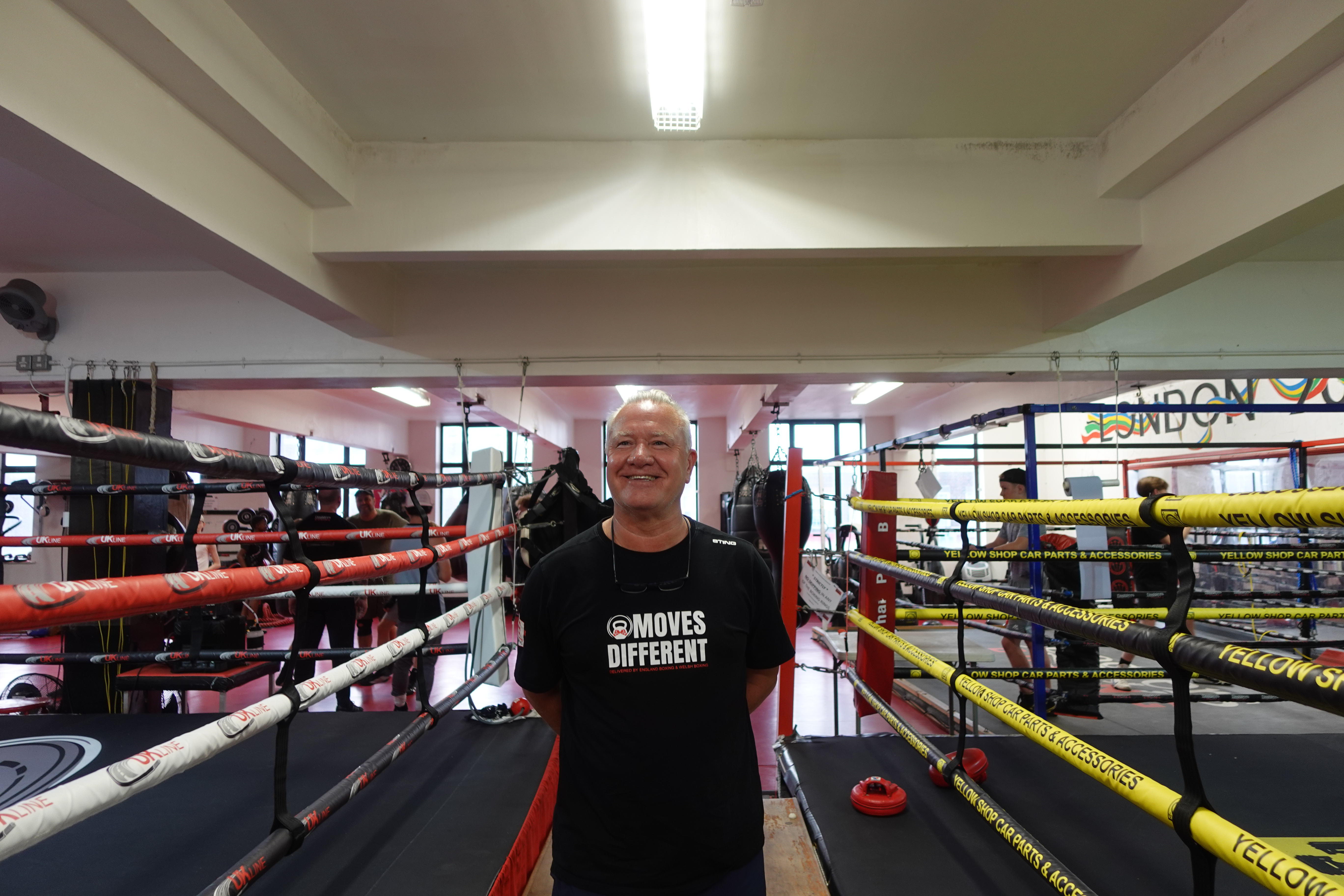
Dan O’Sullivan in the ring. Image: Supplied
Researchers want to know whether structured boxing programmes can reduce the risk factors associated with crime and serious violence.
For boxing coaches like O’Sullivan, it is a question they have been answering loud and clear for years.
There’s a multitude of academic papers to back this up. Young people who are stopped by police are more likely to go on to commit violent offences by age 17, even after accounting for previous behaviour and other factors. They are also less likely to believe they will go to university and more likely to experience behavioural difficulties.
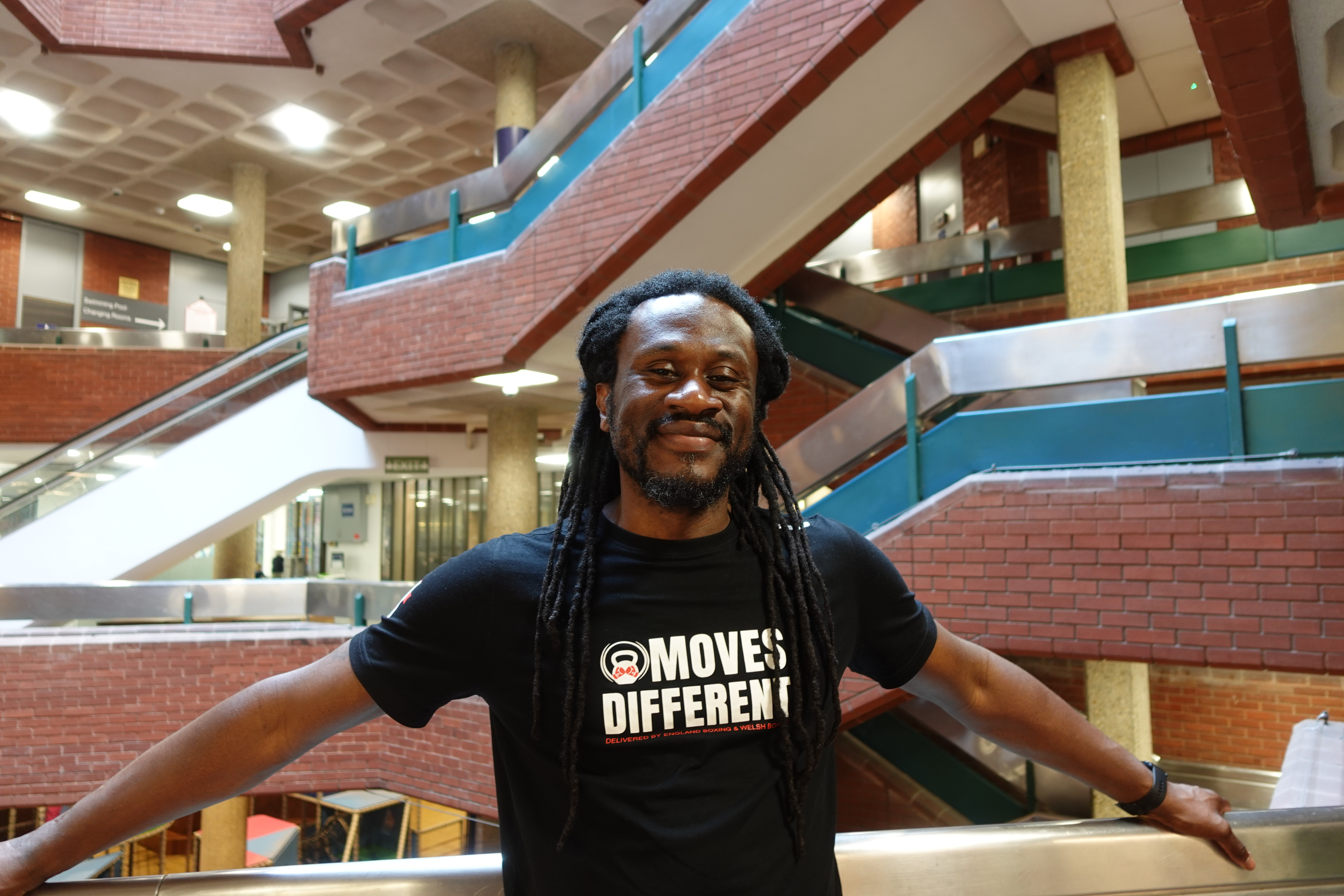
“If you look at the climate now, a lot of young people lack structure, lack discipline. Boxing provides that.” says coach Malik Owusu, another mentor delivering the programme in Brixton.
Coach Malik Owusu delivers the Moves Different programme in Brixton. Image: Supplied
“When you have a coach who believes in you, that’s a winning formula and perhaps most importantly, somebody notices if you stop turning up.”
Advertising helps fund Big Issue’s mission to end poverty
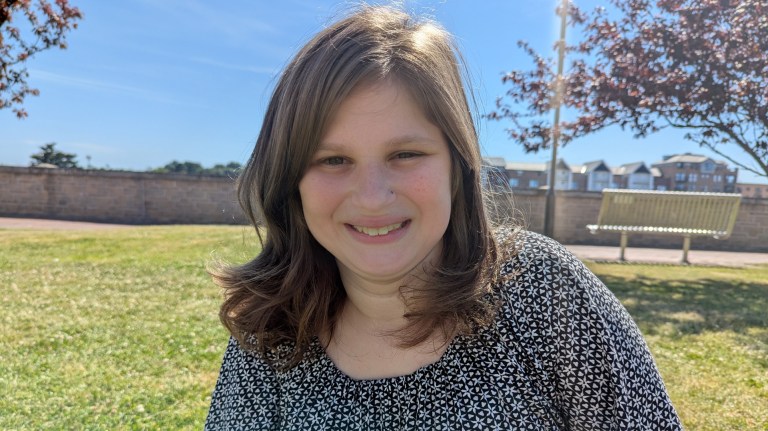
He’s leading the way at Afewee Boxing Club, where 17-year-old Tamaisha told Big Issue that the programme has paved a future of one day becoming an accredited competition boxer.
“Now we’re doing boxing twice a week, but if we weren’t, we’d probably just be at home,” Tamaisha says. “It’s a nice distraction.”
“This programme really helps people that are struggling, whether that’s at school or not, it gives you a place to let out your emotions.”
More than a sport
The study arrives at a moment when youth services are steadily disappearing, with spending across England and Wales down by 44% over the past decade. At the same time, the YEF found that 70% of young people aged 13 to 17 had encountered some form of violence on social media in the previous year.
Margaret Mullane, Labour MP for Dagenham and Rainham, argues that boxing clubs are already providing a service that many local authorities can no longer afford to deliver directly.
“The role of local boxing clubs, particularly Dagenham Amateur Boxing Club, in communities like the one I represent simply cannot be overstated,” she told Big Issue. “The work Dan does with young people, the mentoring of at-risk boys, and the career pathways opened up by the boxing club are nothing short of remarkable.”
Advertising helps fund Big Issue’s mission to end poverty
Mullane said clubs such as this should be viewed as part of a wider crime prevention strategy, describing them as “a vitally important part of a cohesive multi-agency approach to crime prevention”. She welcomed the national study into boxing-led interventions, arguing it could help projects like Dagenham Amateur Boxing Club reach more young people in need of “an outlet, structure and role models.”
For Ciaran Thapar, director of youth engagement at the YEF, the decline in youth provision and rising isolation among young people are closely connected.
“I grew up very comfortable in the suburbs of London. I just did not have to worry about the same things that a lot of the teenagers I’ve worked with have to worry about on a daily basis.”
He argues that those at risk of offending have life experiences that many people will never have to encounter. “You’ve got generational violence, fathers, brothers or uncles who’ve been in prison, complicated relationships with policing, communities that feel over-policed or under-protected. That’s a real cocktail of experiences that can overwhelm young people.
“If a young person isn’t supported properly, that can manifest in carrying a knife or feeling they have to take things into their own hands.”
Three years ago, MPs from across the political spectrum were making a similar case in Westminster.
Advertising helps fund Big Issue’s mission to end poverty
During a debate on boxing and social mobility, James Daly, then-Conservative MP for Bury North and co-chair of the All-Party Parliamentary Group on Boxing, argued that grassroots clubs offered “so much more than a space to train”.
He added: “The state sometimes does not have that anchor in the community.”
The debate was filled with stories that had little to do with the competitive side of sport. Daly recalled evidence from Mick Jelley, who has spent six decades running Bury Amateur Boxing Club and is the man credited with training up Amir Khan. Jelley said: “There are lots of lads who came to me and said, ‘But for you, I would be in Strangeways.'”
The fight for grassroots funding
O’Sullivan almost lost the club a few years ago when the space was deemed no longer fit for purpose and they didn’t have the funds to find a brand new space. After a long fight, the council supported him in finding a new permanent home above Heathway Shopping Centre.
Last September, a club in Southend was in ruin and prepared for a new build using funding from the Department of Culture, Media and Sport (DCMS), but this was momentarily pulled and then reinstated after weeks of campaigning, according to a BBC report.
Football has been successful in collecting enough data on sports crime-preventing powers. The Arsenal Kicks programme for young people found that the investment in grassroots football potentially created £7 of value for every £1 spent, with the savings coming from the reduced costs to the state of the reduction in criminal behaviour, with less police and court time needed to put people in detention.
Advertising helps fund Big Issue’s mission to end poverty
Supported by the Premier League Charitable Fund, the project also relied on additional backing from the Football Foundation and the Metropolitan Police.
Thapar added: “I can sit here and tell you a million stories about how these spaces have changed a person’s life, but if we don’t have the data, we can’t get backing.
“We wouldn’t take medicine that hadn’t been scientifically understood first and that should be the same for services that are provided to vulnerable youth.”
O’Sullivan will be back at the gym every week with coach, Billy Adams, who came through Dagenham as a young man before earning a place on the England pathway.
“We’ve had people with hard lives go on to box for England,” O’Sullivan adds. “We’ve had people go on to the Olympics.
“It’s happened before and I’m sure it’ll happen again.”
Advertising helps fund Big Issue’s mission to end poverty
Buy from your local Big Issue vendor every week – and always take the magazine. It’s how vendors earn with dignity and move forward.
You can also support online: Subscribe to the magazine or support our work with a monthly gift. Your support helps vendors earn, learn and thrive while strengthening our frontline services.
Thank you for standing with Big Issue vendors.
Advertising helps fund Big Issue’s mission to end poverty