The former Conservative government set out a rough sleeping strategy in 2022 as part of its failed bid to end street homelessness by 2024.
But a wider-reaching strategy to guide how to end all forms of homelessness – from sleeping rough on the streets to temporary accommodation to sofa surfing – over the long-term in England has only now materialised.
What is the extent of homelessness in England?
Homelessness is at a record-high in England with the number of families living in temporary accommodation, in particular, pushing local authority budgets to the brink of bankruptcy in some cases.
Ahead of Christmas 2025, Shelter said more than 380,000 people in England would be spending the festive season homelessness, whether that be rough sleeping, in temporary accommodation, in hostels or other kinds of unsuitable accommodation.
The latest official statistics show 330,410 households were owed support to prevent or relieve homelessness after contacting their council for help in 2024-25. That’s a 0.9% increase on the previous year.
But it’s the number of households living in temporary accommodation that is surging. A total of 132,410 households were living in temporary accommodation as of June 2025 – 7.6% higher than a year ago. That includes 172,420 children.
Advertising helps fund Big Issue’s mission to end poverty
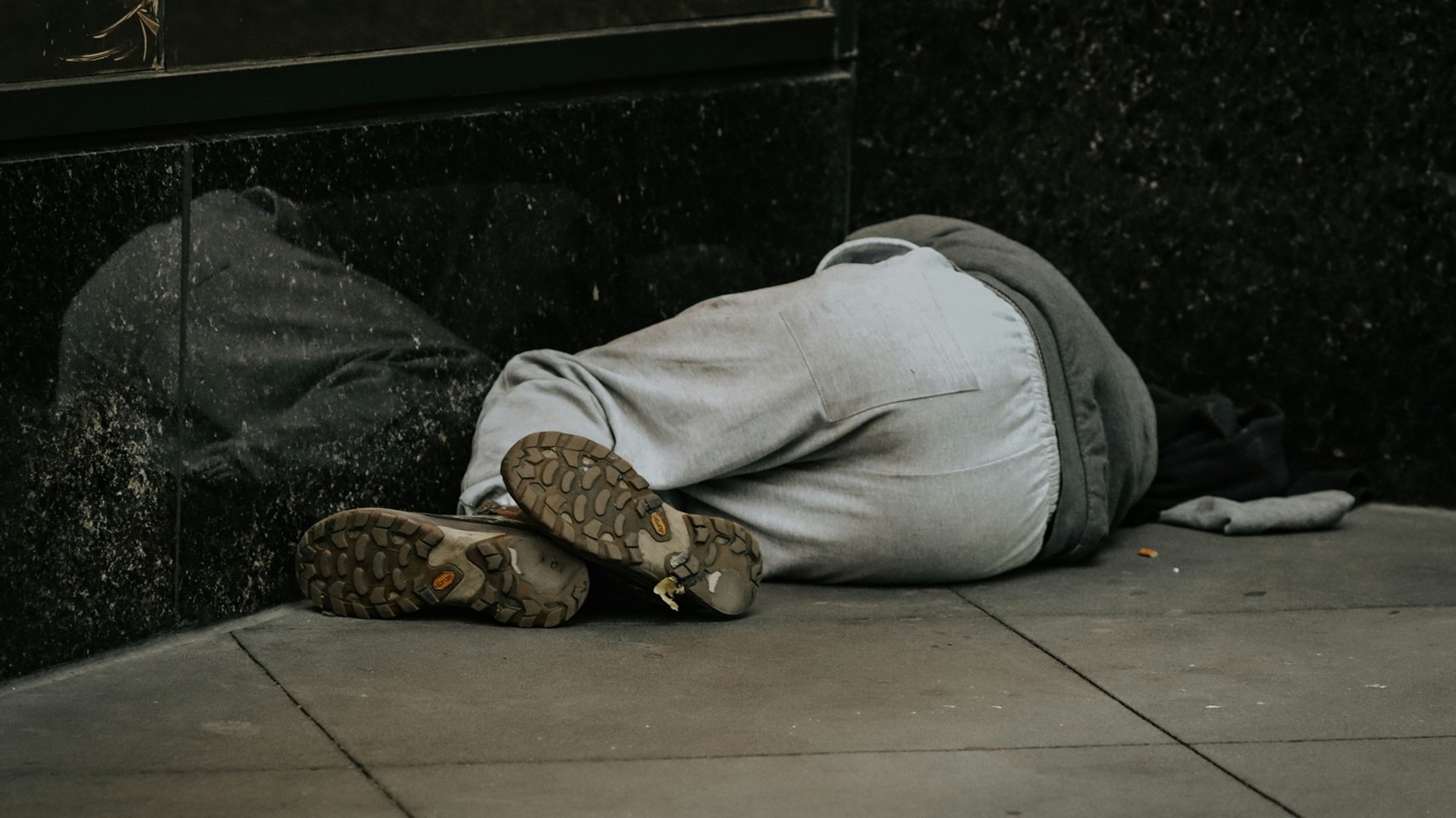
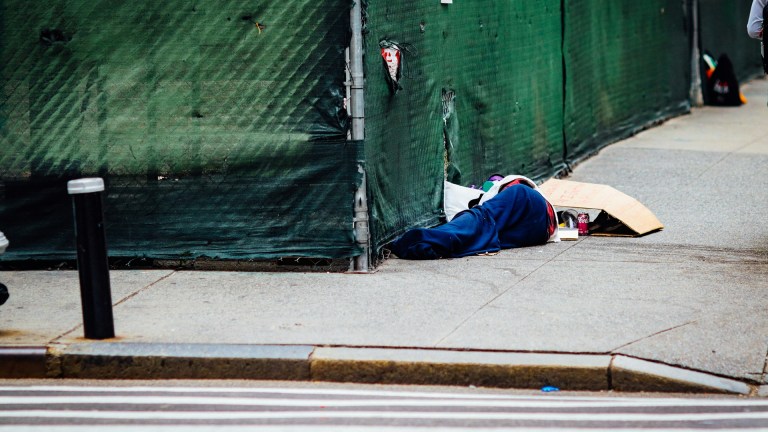
The official rough sleeping snapshot revealed 4,667 people were homeless on England’s streets in autumn 2024 based on single-night counts and estimates by frontline workers and local authorities. That’s the highest number since 2017.
The London-only Combined Homelessness and Information Network (Chain) figures are considered to be more accurate than the official one-night count.
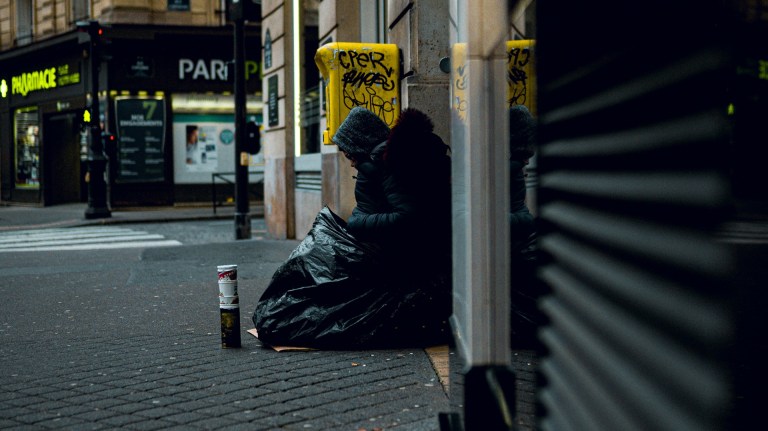
The most recent annual count showed 13,231 rough sleepers spotted on London’s streets between April 2024 and March 2025. The highest point on record, a 10% increase on the previous year’s total as well as 63% higher than a decade ago.
Homelessness is costly. The Labour government is spending £1 billion a year on tackling homelessness and rough sleeping while councils in England collectively spent £2.8bn a year putting households in temporary accommodation.
What is in Labour’s homelessness strategy?
The National Plan to End Homelessness was published on 11 December 2025 just ahead of the promised deadline at the end of 2025.
The strategy aims to “get back on track to ending homelessness and rough sleeping” and will see £3.5bn invested in homelessness and rough sleeping services over the next three years.
Advertising helps fund Big Issue’s mission to end poverty
It introduces a national target to halve the number of people sleeping rough long-term by 2029, when the next general election is due to happen. A £124 million supported housing programme will be launched to prevent over 2,500 people from falling into homelessness or move people off the streets and into a stable home.
Labour’s strategy also aims to step up efforts to prevent homelessness and will set targets to reduce the number of people facing homelessness after leaving hospitals, prisons and other public institutions. Almost 34,000 households found themselves in this scenario last year and the strategy speaks of an ambition that no one should leave a public institution into homelessness.
Like the child poverty strategy, the homelessness plan focuses on reducing the number of households living in temporary accommodation.
It sets a target to eliminate the use of B&Bs for families, other than in emergencies, by the end of the current parliament. It pledges to increase the supply of good-quality temporary accommodation through a £950m fund.
The strategy also aims to improve collaboration between public services to prevent people from falling between the cracks. So new legal duties will be introduced to force public services to identify, act and collaborate to address homelessness.
That’s just a few of the measures. The full 90-page strategy has been published on the government website.
Advertising helps fund Big Issue’s mission to end poverty
Read more:
What isn’t in Labour’s homelessness strategy – but should be
Homelessness organisations and charities have welcomed the strategy but have also warned of “notable gaps”.
Chief among them is no measures to help private renters who are struggling to afford a home from falling into homelessness.
Local housing allowance rates, which determine how much housing benefit low-income renters can get to help them cover rents, look set to be frozen for the foreseeable future. That means that housing benefit will fail to cover the bottom 30% of the private rented market as intended as benefits will not keep up with rising rents.
“The strategy is not perfect and there are areas where the government has already made choices that make ending homelessness harder. We will continue to press for better,” said St Mungo’s chief executive Emma Haddad. “The failure to unfreeze local housing allowance in the autumn budget was a missed opportunity and one that should be urgently revisited.”
Another notable omission includes a guarantee to deliver the social housing needed to end homelessness.
Advertising helps fund Big Issue’s mission to end poverty
The government has pledged a £39bn social and affordable housing programme and is due to publish a separate housing strategy in 2026.
The lack of a comprehensive plan to support refugees facing homelessness has also faced criticism.
The strategy promises early, targeted support to integrate refugees through advice and guidance as well as the wider pledge of “long-term reform to create an asylum system that works for both new refugees and the communities they become part of”.
People living in Home Office accommodation who have been granted refugee status have been facing homelessness as central government has tried to cut the asylum backlog.
The Home Office halved the move-on period for refugees to leave accommodation to 28 days earlier this year. Big Issue has previously reported on the impact this has had on councils tasked with providing homelessness support.
Gavin Smart, chief executive of the Chartered Institute of Housing, said: “We’re pleased to see targets to halve long-term rough sleeping, end B&B use for families, and introduce a new duty for public services to prevent homelessness.
Advertising helps fund Big Issue’s mission to end poverty
“However, the strategy misses key issues: growing affordability pressures in the private rented sector and the lack of solutions for refugees facing homelessness.”
Some, including Labour MP Paula Barker, were hoping for a national expansion of Housing First to support rough sleepers.
The model involves giving people a home alongside support to help them out of homelessness and the government has been running pilots in Greater Manchester, Liverpool and the West Midlands since 2018.
Barker wrote an open letter ahead of the strategy calling for Housing First to be a “central component” of Labour’s plan. Instead, it is among a range of response councils can employ through the homelessness, rough sleeping and domestic abuse grant.
Change a vendor’s life this Christmas.
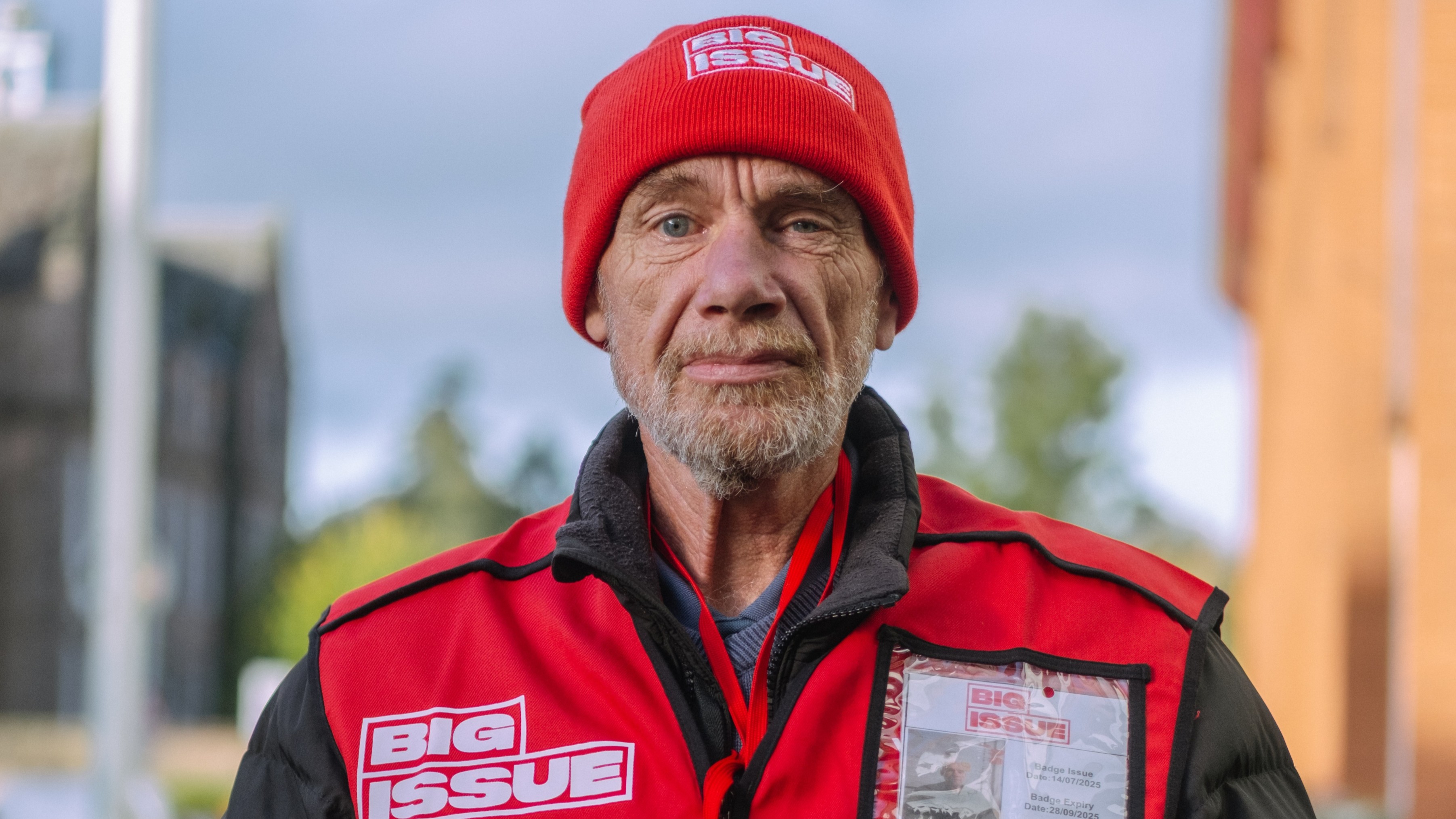
Buy from your local Big Issue vendor every week – or support online with a vendor support kit or a subscription – and help people work their way out of poverty with dignity.
Advertising helps fund Big Issue’s mission to end poverty